TESTING SITE: TO SHOP, VISIT CAPUTOS.COM
Caputo's Market & Deli Caputo's Market & Deli
  • Menu and Catering
    • Location Info & Menus
    • Catering
    • Hosted Events
  • Shop
    • FREE SHIPPING OVER $75 (U.S.)
    • Gifting with Caputo’s
    • Client Gifting (Concierge)
    • Craft Chocolate (free shipping)
      • Caputo’s Chocolate
      • Dark Chocolate
      • Milk Chocolate
      • White Chocolate
      • Inclusion Chocolate
      • Baking Chocolate
      • Drinking Chocolate
      • Filled Chocolates
      • Chocolate Spreads
      • Utah Chocolate Producers
      • Chocolate Gifts
      • Shop by Brand & More
    • Tinned Fish (free shipping)
      • ABC+
      • Arroyabe
      • Artesanos Alalunga
      • Ati Manel
      • Barnacle Foods
      • Conservas de Cambados
      • Ekone Oyster Co.
      • Espinaler
      • FANGST
      • Güeyu Mar
      • IASA
      • José Gourmet
      • Les Mouettes d’Arvor
      • María Organic Portuguese Conservas
      • Matiz Gallego
      • Nassari
      • Nice Cans
      • Olasagasti
      • Ortiz
      • Patagonia Provisions
      • Ramón Peña
      • Wildfish
      • Shop by Type & More
    • Bitters & Botanicals (free shipping)
      • Bitters
      • Garnishes
      • Mixers
      • Shrubs & Drinking Vinegars
      • Syrups & Waters
      • Tinctures & Extracts
      • Shop by Brand & More
    • Cheese & Dairy
      • Caputo’s Cheese Caves
      • Butter & Other Dairy
      • Cow’s Milk Cheese
      • Goat’s Milk Cheese
      • Sheep’s Milk Cheese
      • Mixed Milk Cheese
      • Pasteurized
      • Unpasteurized
      • Domestic
      • French
      • Greek
      • Italian
      • Northern European
      • Spanish
    • Meats
      • Pates and Meat Spreads
      • Prosciutto
      • Salami
      • Sausage
      • Whole Muscle
    • Oil & Vinegar
      • Oils
      • Vinegars
    • Savory Pantry
      • Canned & Bottled Goods
      • Coffee & Tea
      • Crackers & Flatbreads
      • Hot Sauce
      • Legumes
      • Pasta
      • Rice and Grains
      • Nuts
      • Olives
      • Peppers, Preserved
      • Salt & Spices
      • Sauces
      • Spreads & Tapenades
      • Tomatoes
    • Sweet Pantry
      • Caramel
      • Confections
      • Granola
      • Honey
      • Mastic
      • Mostarda
      • Preserves
      • Sweet Nuts
      • Torrone and Nougat
    • Truffles & Mushrooms
    • Deals & Discounts
  • Classes
  • Blog
  • Culture
    • About Caputo’s
    • Caputo’s Preservation Program
    • Chocolate Festival & HCP
    • Tony Caputo Foundation
  • 0
  • menu
Category Archives

Caputo’s Culture

  • Ask Matt
  • Bar & Bitters
  • Beverages and Bitters
  • Caputo's Culture
  • Cheese
  • Cheese Cave
  • Chef Marshall
  • Chocolate
  • Classes
  • Cravings
  • Feature
  • Foodie
  • France
  • GIVEAWAYS
  • Holidays
  • Holidays
  • Locavore
  • News & Updates
  • Olive Oil
  • Pairings
  • Posts by Adri
  • Posts by Evan Ross
  • Posts by Matt
  • Q&A with Caputo's
  • Recipes
  • Spain
  • Tips & Tricks
  • Uncategorized
  • Whiskey
  • Wine Pairing

Conservas de Cambados: From Ría to Tin

by Harrison Weinfeld AKA The Sardinfluencer on September 12, 2022

Conservas de Cambados is both a factory and a label living at the intersection of artisanal quality and culinary tradition. Their iconic packaging, inspired by the seafood nets that dot the Galician coastline, is a visual reminder of the history and care that for decades has made this brand the benchmark for gourmet conserva in Spain.
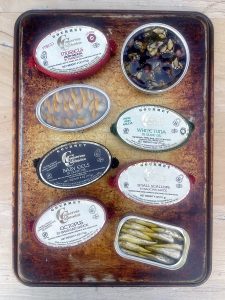
Conservas de Cambados Collection

All photos taken by the author

In this article, I’ll unpack their history, discuss what makes their approach to tinned seafood special, and leave you with an original recipe for linguine and clams made with preserved Tunisian lemon and Calabrian chilis.

Nearly four decades ago, mussel wholesaler José Luis Alfonso set out to create a premium gourmet conserva company whose products could showcase the unrivaled splendor of the Galician seafood he grew up eating.

Founding Conservas de Cambados in 1985, his factory focused on sourcing the best raw material possible and treating it with love, care, and intention during every step of the canning process.

And when it came to finding that raw material, he knew he needn’t look further than the nearby Ría de Arousa. As the largest estuary in all of Galicia, for generations its nutrient rich waters and sandy coastlines have created a natural ecosystem for clams as well as the perfect open-water nursery for mussel farming where meterslong ropes of meaty mollusks grow on floating rafts called “Bateas”.

Today, the company is safely and creatively helmed by José’s children Maite and Keko who respectively head up quality control and company direction. What’s new is an increasing stock of fishes and seafood sourced from other parts of Spain. What hasn’t changed is their emphasis on small-batch, artisanal processing. Hauls of scallop and octopus, eels and uni are purchased during peak freshness and processed by the hands of the 50, mostly female artisans who make magic happen in a small factory in José’s hometown of Pontevedra.
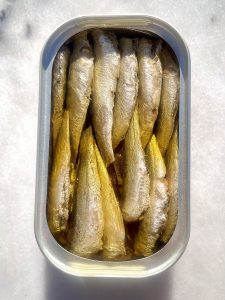
Conservas de Cambados Small Sardines in Olive Oil

Small Sardines in Olive Oil

Opening my box from Caputo’s revealed a trove of eight varieties from this legendary brand. The level of care and quality of the packaging itself is immediately apparent. Each tin arrives to you in a hand-fastened cotton net, boasting bold hues of burgundy, black, navy, and forest green. Conservas de Cambados invented this style of packaging in 1989 and its been an indicator of their excellence ever since. Atop that netting sit premium labels embossed with gold foil that beg you to pick them up and feel them with your hands. The entire experience, outside to in, is textural and inviting. What I’m saying is: the packaging talks a mighty big game. And boy does it deliver.

The Small Sardines in Olive Oil, hauled from the waters off the north of Spain are hand-selected for quality and packed with care in their very same Galician facility. These gourmet swimmers need absolutely no dressing up and would be wasted in any dish where they weren’t showcased front and center. They’ll shine brightest as the headlining act for your next cheeseboard. Pro-tip: always present the tin wrapped when guests arrive and unveil its contents when it’s time to eat.
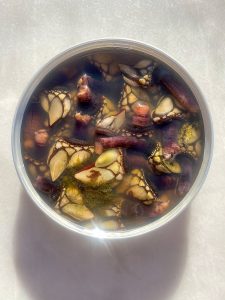
Conservas de Cambados Barnacles in Brine

Barnacles in Brine

Next, I opened a tin I’ve been dreaming of for some years now: the Barnacles in Brine. Known as “Percebes” in Spain, gooseneck barnacles are one of those rare delicacies you have to see and taste to believe. Resembling the claw of some long-extinct prehistoric reptile, these flavor bombs cannot be farmed on bateas like their mussel cousins. Instead, they must be hand-harvested in a death-defying dance from the rocky, surge-slapped cliffs on which they grow with little more than a rope and bucket. It’s a risk worth taking to bring these truly unique mollusks to plate and tin. All to taste their heavenly, coral-colored meat which resembles a mix of clams and escargot. They’re perfect for dunking in an herby aioli or dousing in clarified butter with a dash of lemon.
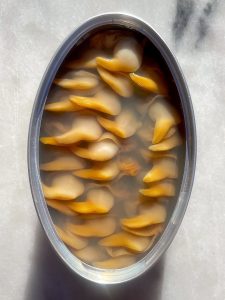
Conservas de Cambados Cockles in Brine

Cockles in Brine

The Medium-Sized Cockles in Brine, grown in Ría de Arousa (and featured in my recipe below), are packed with care and precision, each clam sitting upright and arranged in a bricked fashion (both to maximize the number per tin and enhance the gourmet experience even more). Before they even hit the can, they are cleaned by hand and examined to ensure not even a single grain of sand makes it into the brilliant bath of clam juice that these babies arrive in. If you’ve never had cockles, these are the cockles to try. They are sweet and tender and buttery smooth. And as perfect for popping pintxos as they are for folding into any recipe that calls for clams, like my take on the Italian classic Linguine Alle Vongole, which follows next:

RECIPE

Linguine and Clams With Preserved Tunisian Lemon and Calabrian Chilis
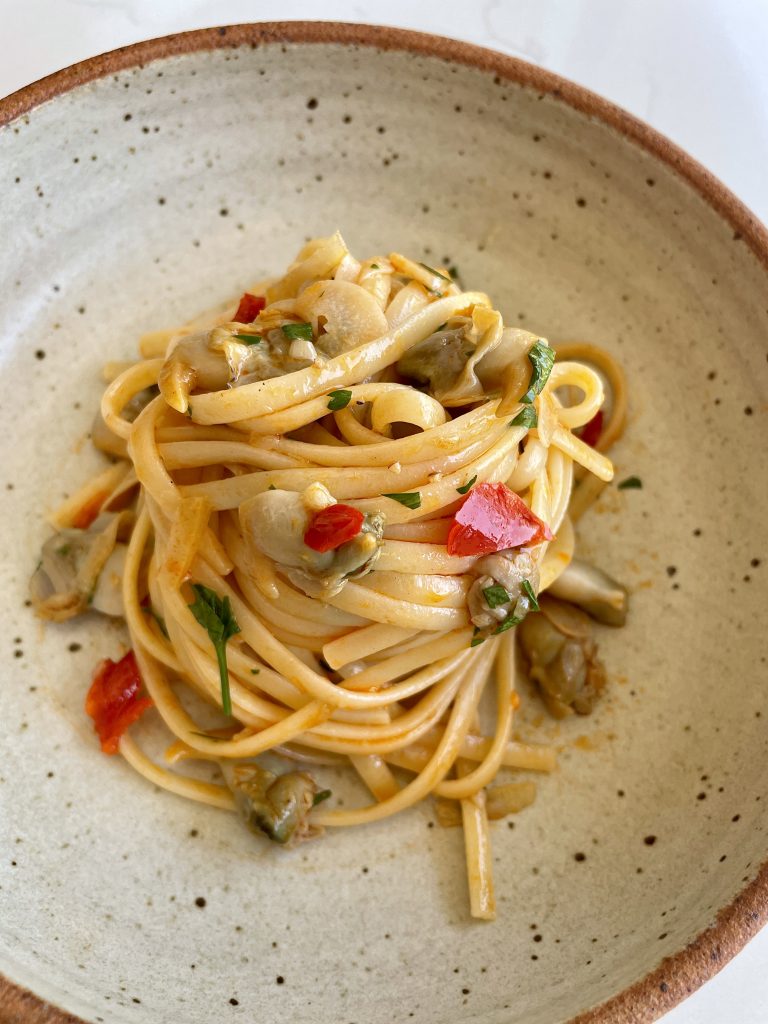
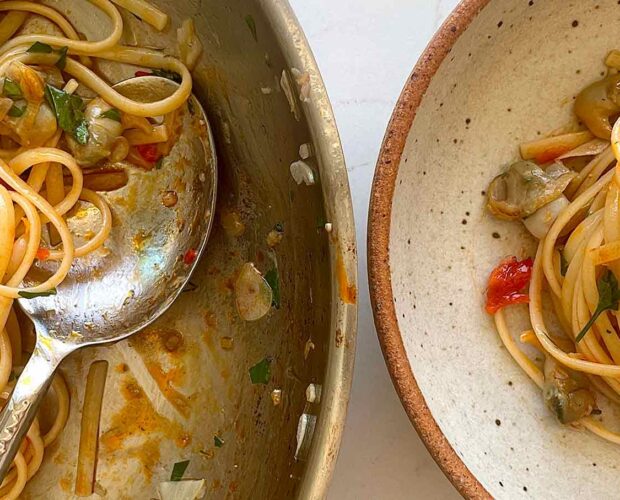
Linguine and Clams is one of my all-time favorite meals to make at home. While it traditionally calls for fresh manila or littleneck clams, not all of us live in place where those are easily sourced. That’s why, for years now, I’ve made mine with tinned cockles in brine. Undeniably easier and faster, I would also argue that due to the addition of that clammy brine they are packed in, this version of the dish is, dare I say, even more delicious. Today, I’ve taken my recipe one step further by creating it with almost exclusively pantry-friendly items sold by Caputo’s so you can make it at a moment’s notice, whenever those cravings arise.

INGREDIENTS:

● 1x tin Conservas de Cambados Cockles from Galicia in Brine (medium size)
● 1⁄2 lb Rustichella d’Abruzzo Linguine
● 3 tbs Caputo’s Extra Virgin Olive Oil
● 2 tbs unsalted butter
● 4 garlic cloves (thinly sliced)
● 1⁄2 small shallot (minced)
● 1⁄8 tsp Mill Pepper Co. White Pepper (finely ground)
● 1⁄2 cup dry white wine (I used Grüner)
● 1⁄8 Les Moulins Mahjoub Preserved Lemon (rind and pulp separated and finely chopped)
● 2 tbs flat leaf parsley, finely chopped
● Divina Chopped Calabrian Chilis (to taste)
● Sea salt (to taste)

1. Get a large pot of salted pasta water going over high heat. Meanwhile, place a large stainless steel or non-stick skillet over medium heat. Add the olive oil, garlic and shallot and turn heat down to medium low, stirring until it becomes translucent and soft, being careful not to burn them. Add a pinch of salt.
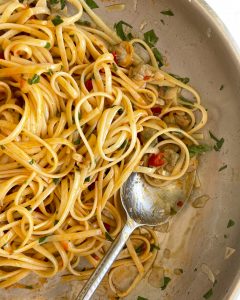
2. Add pasta to boiling water and cook until al dente or just shy (it will cook a little more in the pan). While pasta boils, Add the white wine to the skillet and deglaze, bringing to medium heat until it reaches a simmer.
3. Once it has reduced by at least a quarter, open the cockles and ogle their beauty. Using the tin lid as a strainer, carefully pour the brine (without the clams) into the skillet. Stir until it begins to simmer, being careful not to scorch it. Stir in the white pepper. Stir occasionally while it reduces, about 2 minutes.
4. Add a ladle of the pasta water and turn heat to medium high. Stir consistently until a glossy sauce begins to form.
5. Once the pasta is cooked, add it all to the skillet (on low) along with the preserved lemon. Stir vigorously until the sauce is glossy and the pasta is well coated. If the sauce is too tight, add more pasta water.
6. Turn the pan off and add the cockles, butter and parsley, tossing until melted and combined. Finally, drizzle on the chopped calabrian chili followed by a couple pinches of flaky sea salt.
7. Serve the skillet family style or plate with more chopped chilis to your liking.

Enjoy!

Serves 3-4

ABOUT THE AUTHOR
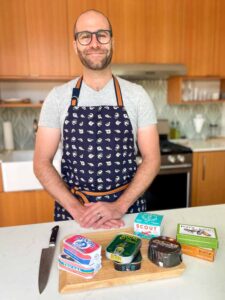
Harrison Weinfeld aka The Sardinfluencer is a writer, a cook, and a tinned-fish fanatic who’s on a mission to bring sustainably-harvested and responsibly-farmed conserva into home kitchens around the world.


Portugal’s Smallest Cannery

by Matt Caputo on September 27, 2022

You come to Caputo’s because you have come to expect and trust that we are proud geeks about all things food. When you buy products on our site or from our shelves, you understand that you’re supporting artisans that have been put through thorough vetting before being stocked here. We pride ourselves in this ethos and aim to uphold it and improve upon it as we grow.

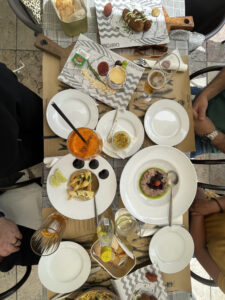

The Caputo family plans their vacations as part of this ongoing effort to bring you the most thoughtfully curated selection of chocolates, cheeses, conservas (sardines!), and more. Recently, Matt, Yelena, Gia, and Frankie traveled to Portugal for some time away from the office. While there, they toured the Jose Gourmet factory and learned of some unique new projects coming down the conserva line. What they learned was both exciting and concerning. Read it in Matt’s words below:

Matt's Words on Portugal

“Yelena and I just got back from Portugal. It was both deeply inspiring and alarming.

Bad news first. I was surprised to learn that even in countries like Spain and Portugal where I assumed that traditional/artisan methods of production (especially when it comes to conservas) are more highly valued than they are in the US, the canning industry is going through significant consolidation.

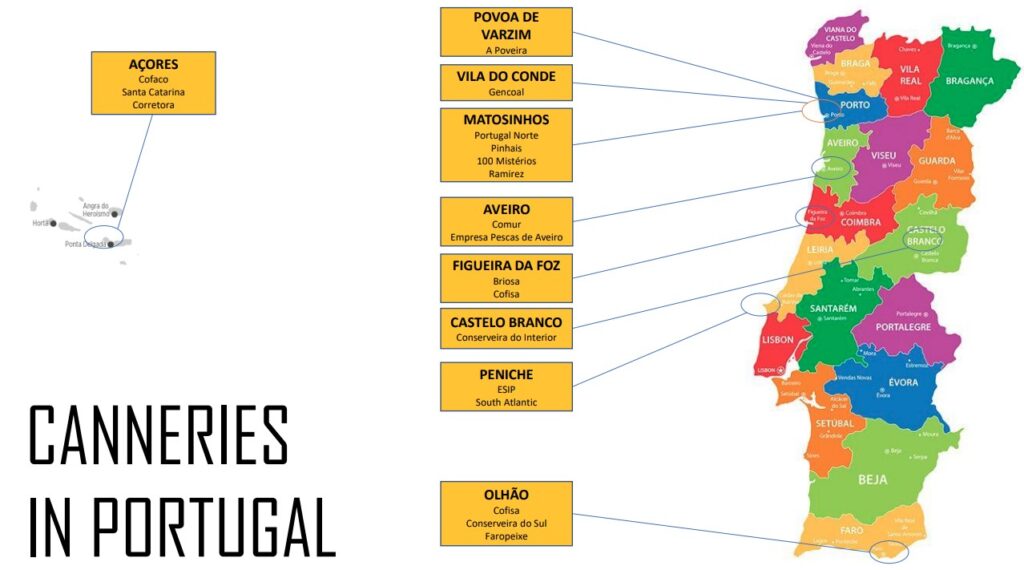
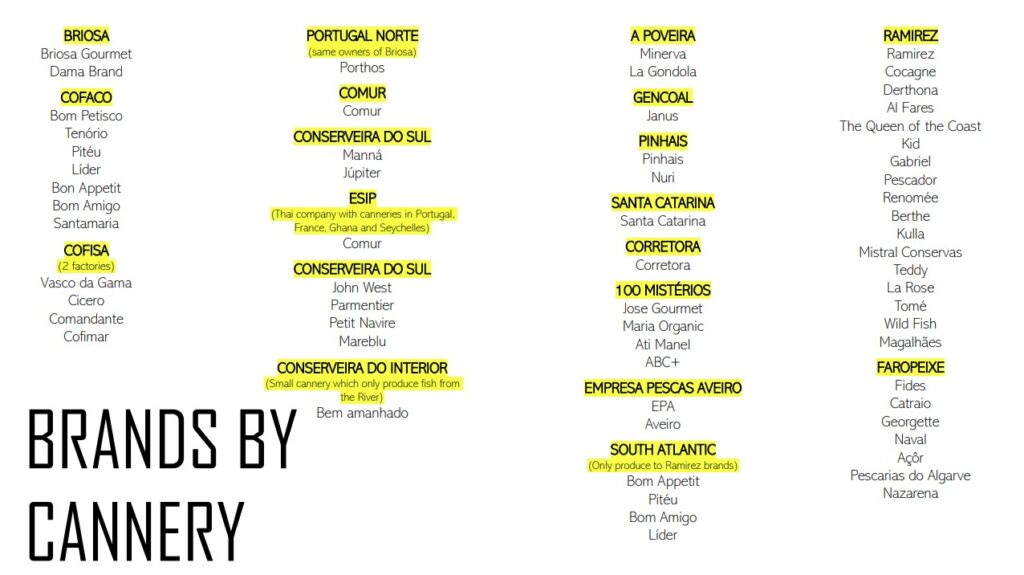
To help me learn more, my friend Vasco put together [this] graphic showing every single Portuguese cannery, which brands they produce, and which fishing ports they are based out of.

As I was becoming a conservas geek I learned to revere A Poveira as THE best cannery for sardines and La Gondola for making the absolute best seafood pate. Both were recently bought by a huge Spanish company and they are already in the process of making these venerable canneries “more efficient” in very sad ways.

Others I talked to explained how despite the current perceived renaissance in conservas that it is mostly a proliferation of brands and that the list of canneries is going to continue to get smaller.

Despite all the pressures of the industrial food system snuffing out everything they can, I left feeling very inspired to see some incredibly serious people creating a spark that has the potential to keep the conservas flame burning bright.
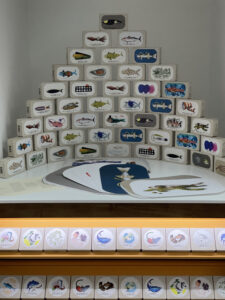
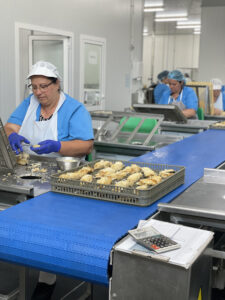
While they started as just a brand buying from other canneries, Jose Gourmet has opened what is Portugal‘s newest and smallest cannery. 100 Misterios is the name. They have hired all the most talented hands that the giant factories have recently put out of a job. They go to the auctions daily and only buy the best. Most importantly, their product tastes the way a romantic like me would expect the smallest cannery in Portugal to taste. The best.

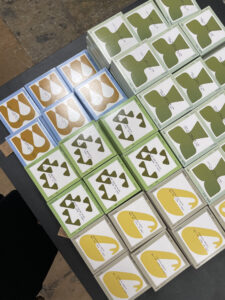
With how slick their packaging and marketing is I expected the owners of Jose Gourmet to be rich investors or a VC group. I was wrong. It was started by a man who is not wealthy and still works his day job as a full-time commercial airline pilot and his friend who is an artist (hence the beautiful packaging). If I understood his story well, Adriano, the pilot, sold his old condominium to start 100 Misterios.

Both men divide their time between Porto and Lisbon and are insanely excited about conservas. Some of the projects they are working on are unprecedented. Obviously, as their master importer I am biased, but I think they are important to the industry and where it will go.”

– Matt Caputo

When you shop at Caputo’s, you help us determine what is important to the industry and where it will go. You help us support small producers who are uplifting their communities, challenging monopolies, and enriching the earth. 100 Misterios is a perfect example of this ethos. They have targeted a loss in their community, locked on, and figured out how to revive it by any means necessary (condominiums be damned). By far the smallest cannery in Portugal, most of their production capacity is allocated to preserving traditional techniques you have come to know and love in Jose Gourmet and Ati Manel. We admire them for this artisanal work, but that’s not to say they don’t have more plans in store. Want to know more? Stay tuned to find out…
FANGST: Tinned Seafood from Nordic Waters

by Harrison Weinfeld AKA The Sardinfluencer on April 28, 2022

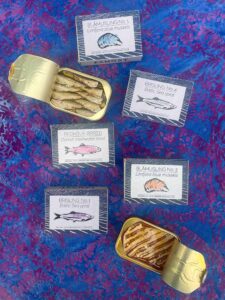
Assorted FANGST tinned seafood

Fangst, which means ‘catch’ in both Danish and Norwegian, is on a mission to rediscover the abundance and elegant simplicity of seafood from Scandinavian waters. They do so by marrying Nordic species with Nordic ingredients, creating some of the most uniquely delicious, irresistible, and forward-thinking tins available today.

Today I’ll discuss their history, share what I think makes them special, and show you how to create a gorgeous conserva salad with fresh fennel, burnt citrus, and Fangst’s very own marinated Limfjord mussels.

About a century ago, there were hundreds of canneries dotting the coastlines of Scandinavia, but nowadays that number has dwindled to just a handful. Much like North America, tinned seafood in Northern Europe has for many years been synonymous with bargain prices and supermarket quality, and as a result was largely overlooked.

Enter: Fangst founders Martin and Rasmus, who for years gazed longingly toward their European cousins to the south; places like Spain and Portugal where quality tinned fish is both ubiquitous and widely celebrated. Knowing the abundance of delicious seafood from Nordic waters – much of which was caught for export – the duo set out to create a northern counterpart to Southern Europe’s rich variety of conserva brands.

Today, as the premier contemporary conserva label operating in Northern Europe, Fangst is both looking toward the future and reawakening its region’s storied past, creating products that live at the intersection of sustainability, gastronomic excellence, craftsmanship, and design.

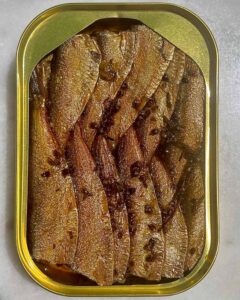
FANGST Baltic Sea Sprats smoked with heather and chamomile

All photos are by the author: FANGST Baltic Sea Sprats smoked with heather and chamomile

By partnering directly with fisherfolk, company managers, fishery scientists, and restaurant chefs, Fangst diligently selects their production partners on a case-by-case basis. This enables them to work with small-batch producers and sustainably pursue less commonly harvested species, rather than solely align themselves with a singular labeling scheme (an approach often better suited for large-format operations).

In addition to making Fangst sustainable, this intention keeps their products nimble, creative, hand-made, and delicious!

Which is all to say, when the fine folks at Caputo’s offered to send me out the full suite of their Fangst products to taste and review, I was expecting to be impressed. What I wasn’t quite prepared for, however, was to encounter what I now consider one of my favorite conserva labels operating in the game today.

Not since I first discovered Conservas de Cambados have I been so instantly smitten with a tinned seafood brand.

This says a lot, too, given that Fangst is a private label, meaning they rely on co-packers in Denmark and Latvia to produce their tins. But even despite this, they’ve already done what is (understandably), very hard for private labels to achieve: they’ve created something new and unique.

As an example, let’s take a look at their Brisling no. 1, Fangst’s Baltic Sea Sprats smoked with heather and chamomile:

Inside a minimalist matte and satin box, awaits Fangst’s iconic, golden tin, a purely aesthetic choice that somehow makes you feel like Charlie, waiting outside the Cockle Factory, golden ticket in hand.

Before cracking the lid, I was already a familiar fan of European sprats; those tender, tiny bait fish that are native to the waters of North-Eastern Europe and taste a lot like baby sardines.

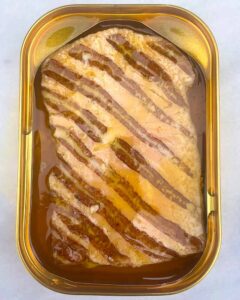
FANGST flash-grilled salmon in cold-pressed rapeseed oil

FANGST flash-grilled salmon

But what I was unfamiliar with (in addition to this tin’s botanicals, which we’ll get into shortly) was the excellence of premium rapeseed oil, something that is also native to Nordic countries. For folks who haven’t heard, rapeseed, called “canola” in the US, is high up on a growing list of seed oils that when compared to extra virgin olive oil, are conventionally considered “lesser than.” What I’ve come to learn is that much of this distinction has to do with the industrialized, high-heat, and sometimes chemically-induced processes used to extract the canola that typically adorns our supermarket shelves. However, when it’s cold-pressed in small batches and processed with care, rapeseed oil becomes buttery, nutty, and bright, and every bit as delicious as extra virgin olive oil.

It’s also less overpowering, making it a perfect medium to amplify the subtle melodies of flavors that would otherwise be drowned out by the bold bass of EVOO. And so, cue the mossy heather and sweet chamomile, floral flavors which swirl beautifully around smoky sprats, culminating in a tin that’s unlike anything I’ve ever tasted from southern Europe (or anywhere else for that matter).

Fangst Faroe Islands flash-grilled Salmon

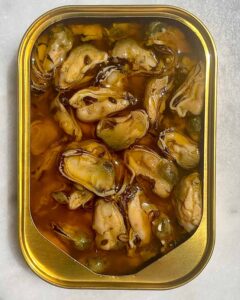
Their other products are equally impressive. The Faroe Islands Salmon, presented as a single, petite fillet, flash-grilled and proudly displayed in a pool of liquid gold is as simple as it is perfectly executed. The blue mussels, slow-grown in the fjords of Denmark to acquire “a particularly fine taste and texture” are sweet, buttery, and irresistibly delicious.

FANGST Blue Mussels No. 2 in cold-pressed rapeseed oil

FANGST Smoke Blue Mussels No. 1

And it is these herby and aromatic mussels, marinated with dill and fennel seed that form the base of my original salad which follows below.

To make it at home, head to the shop at Caputo’s for Blamusling No. 1 and while you’re at it, I highly encourage you to fill your cart with whatever other Fangst products they’ve got, if I don’t beat you to it first!

RECIPE

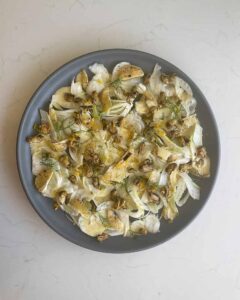
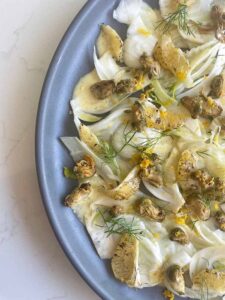
Shaved Fennel Salad with Fangst Marinated Mussels and Burnt Meyer Lemon

Shaved fennel salad – lightly dressed with pops of citrus and something salty – is a dish I make often, especially when it’s hot. And when I tasted the aforementioned Fangst mussels (Blamusling No. 1), I knew these two were a catch made in heaven. A light dressing of neutral oil and apple cider vinegar marries the crisp, raw fennel with burnt wedges of meyer lemon. Topped with the meaty mussels interspersed amongst flavor-bombs of a fennel-garlic aioli (made from the tin oil those marinated beauties came bathed in), and finished with Meyer lemon zest and flaky sea salt, this dish is bright and balanced and bonkers delicious.

INGREDIENTS:

  • 1 tin Fangst Blamusling No. 1 Mussels (marinated in dill and fennel seed)
  • 1 medium fennel bulb, split, cored, sliced thin on mandolin (1-2mm slices)
  • Fennel frond
  • Zest of 2 meyer lemons
  • 2 Meyer lemons, peeled, and cut into wedges
  • ⅓ Cup avocado oil + 2 tbs, measured separately
  • 1 Tsp apple cider vinegar, measured in two ½ tsp portions
  • 1 Egg yolk
  • 1 Medium clove garlic, crushed
  • Flaky sea salt, to taste

To make the aioli, place the egg yolk, crushed garlic, half the fennel frond, ½ tsp of apple cider vinegar, and pinch of salt in a small cup that’s the right size and shape to accommodate an immersion blender. (note: this recipe can also be made with a good whisk, wide mixing bowl, and elbow grease). Blend the ingredients on high until well incorporated. Slowly drizzle the ⅓ cup of avocado oil, blending to emulsify. Crack the lid of the mussels. Ogle their beauty. Gently drizzle the tin oil into the cup, blending to emulsify. Be careful not to lose any of the mussels in the process. Stir in half the lemon zest and salt to taste. Funnel into a squeeze bottle and set aside.

Line a metal baking sheet or tinfoil with the meyer lemon wedges. Hit them with a torch until lightly charred. Flip and repeat. (note: if you don’t own a torch, you can sear them in a hot cast iron skillet instead)
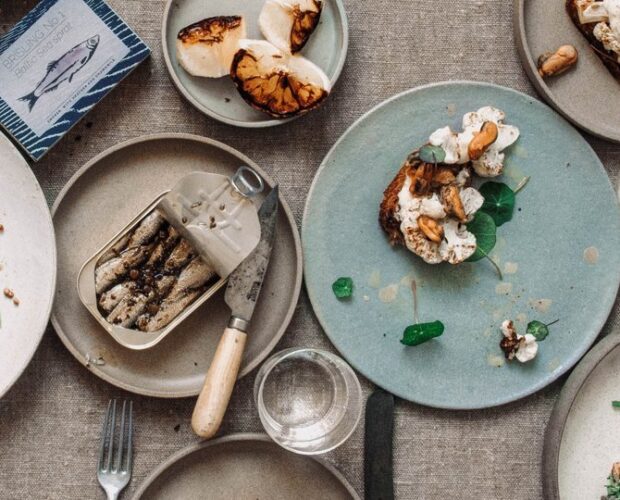
Mix the remaining avocado oil with the remaining apple cider vinegar and a pinch of sea salt.

Toss the fennel in ¾ of the dressing and plate flat on a platter or shallow bowl. Afterward, add the burnt lemon to the mixing bowl and toss with remaining ¼ of the dressing. Carefully arrange the citrus atop the fennel to your liking.

Arrange the mussels next, followed by generous dots of the aioli, the remaining fennel frond and lemon zest and finally a dusting of flaky sea salt.

Enjoy!

Serves 2-4

ABOUT THE AUTHOR

Harrison Weinfeld aka The Sardinfluencer is a writer, a cook, and a tinned-fish fanatic who’s on a mission to bring sustainably-harvested and responsibly-farmed conserva into home kitchens around the world.

What We’re Giving – 2021 Edition

by on December 21, 2021

What do serious food nerds give for Christmas? Pull up a chair and check out the blog below for serious #giftinspo from your favorite faces at Caputo’s.

Don’t see your favorite monger here? Drop by before the holiday—we’re open through the afternoon of Christmas Eve—and ask them for their personal recommendations. We’re certainly not lacking in opinions around here.

So, here you have it: each of our gift picks for 2021:

Matt Caputo
President and ultimate boss-man

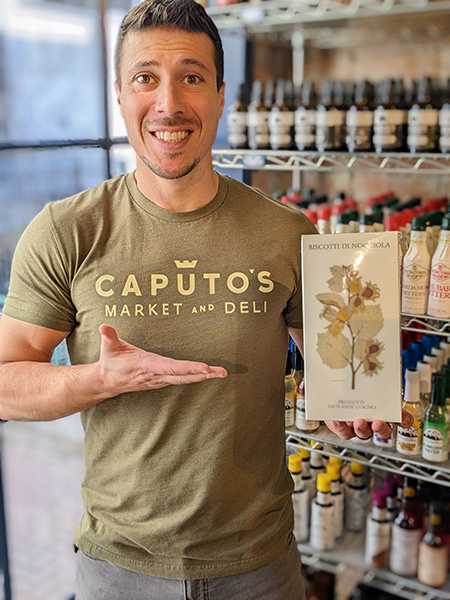
Biscotti di Nocciola – Matt Caputo proclaimed these as “The BEST COOKIES EVER.” Made with EU protected hazelnuts from the Piemonte region, the delicate sweetness and crunch of these biscotti allow the flavor of the prized nut to shine.


Yelena Caputo
Vice President, and ultimatest boss who oversees said boss-man

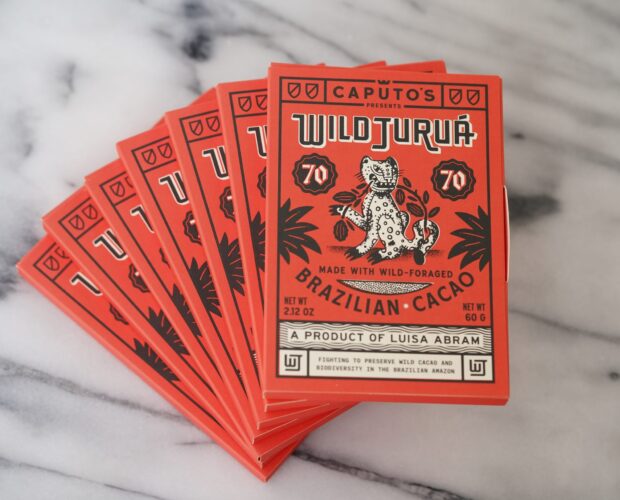
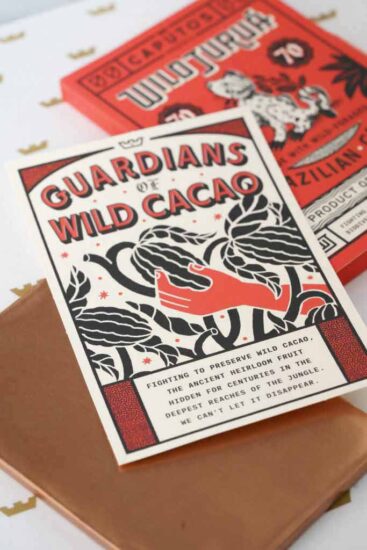
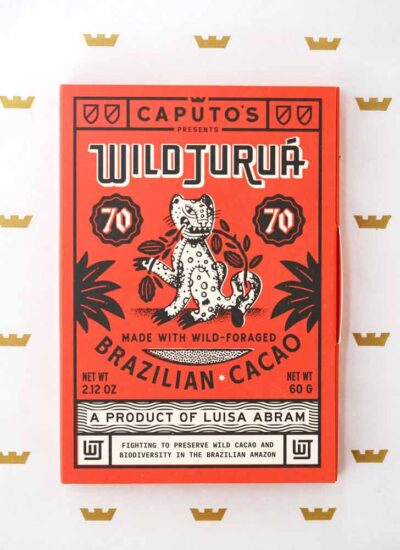
Caputo’s Wild Jurua 70% – When preserving biodiversity within cacao meets art meets complex, flavorful craft chocolate, you give it to everyone you know. Made with wild cacao foraged from the Upper Amazon in the Brazilian jungle, this bar is just one way we fight to preserve the food traditions of our collective ancestors.


Adri Pachelli
Senior Manager & Director of Education

Mirzam Dark Chocolate Covered Oranges – Fresh oranges, delicately candied and dipped in Mirzam’s delicious 62% single origin dark chocolate. Sunshine in a jar, and Adri’s current favorite treat.


Alicia Konzen
Downtown Market Manager

Barnacle Foods kelp based products (hot sauce, seasonings, jellies, bbq sauce, and more!) – “Can I KELP you?”  Our Downtown queen loves puns, and the name of her gift shows it. Every Barnacle product features kelp as its main ingredient, with scrumptious and nutritious results.


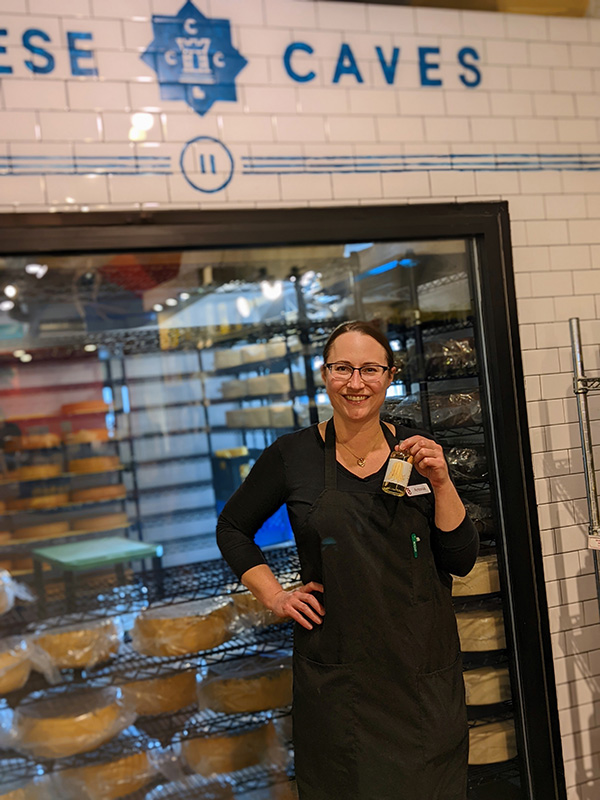
Antonia Horne
Affineuse AKA maker of all tasty things from our Cheese Caves

Buddha Hand Tincture – Known for its unique shape and beloved for its aroma, Buddha Hand finds new expression in Workhorse Rye’s tincture (tincture: a single ingredient extraction, vs. bitters: multiple ingredients). With a spirit base of 100% clementines, this tincture offers incredible flavor for bevies and baking.


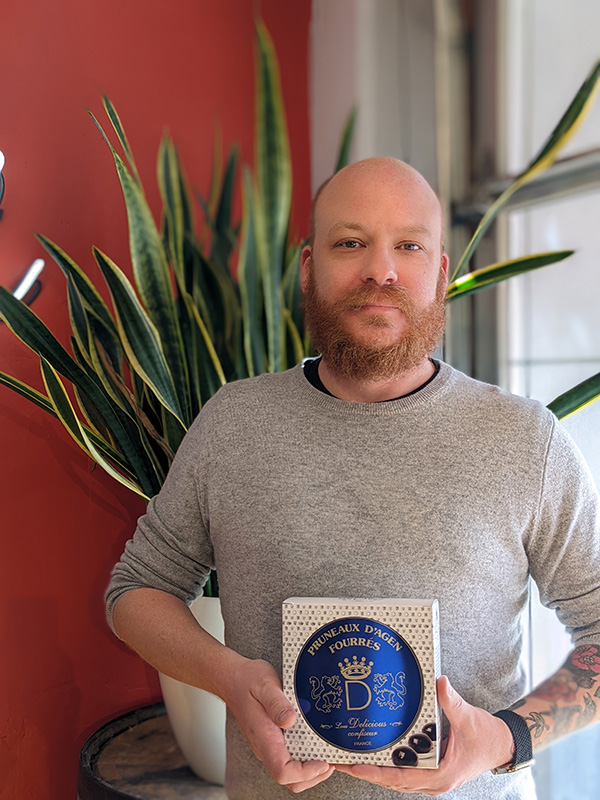
Jamey Chelius
15th & 15th General Manager

Pruneaux d’Agen Fourres – Our New Mexican native and fearless 15th leader is giving a classic French delicacy – he calls them “fancy prunes,” – this year.  These full bodied Agen prunes are de-pitted and filled with a smooth Agen prune puree delicately flavored with vanilla. Incredible accompaniment to roasted pork or funky cheese.


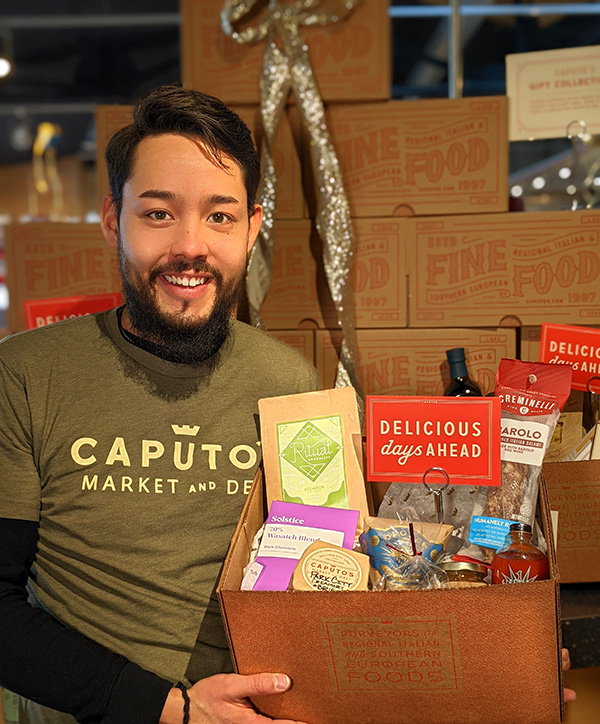
Austin Shimada
Holladay General Manager

Local Utah Gift Collection – Our Holladay GM – another fearless leader! – is giving the best of the best of Utah artisan goodies – a whole box of them, in fact. Utah cheese, Utah chocolate, Utah honey, and more, all in a beautifully branded gift box.

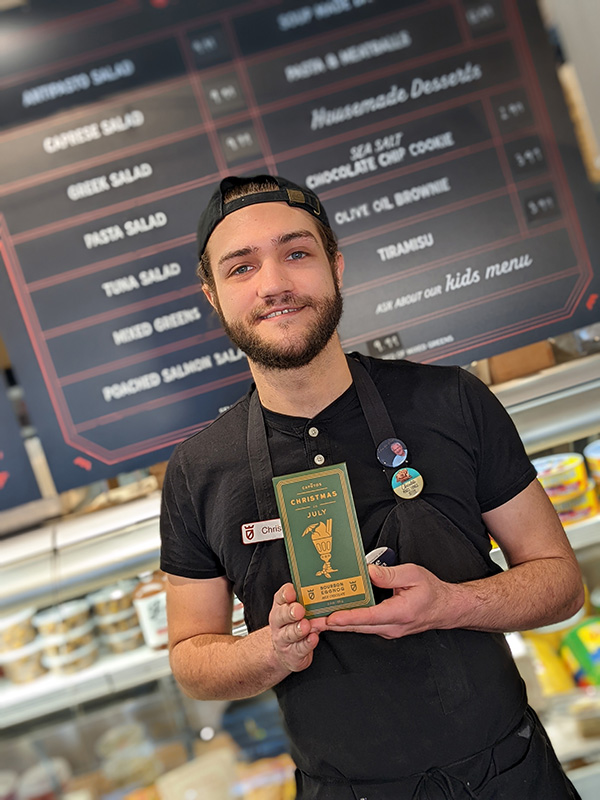
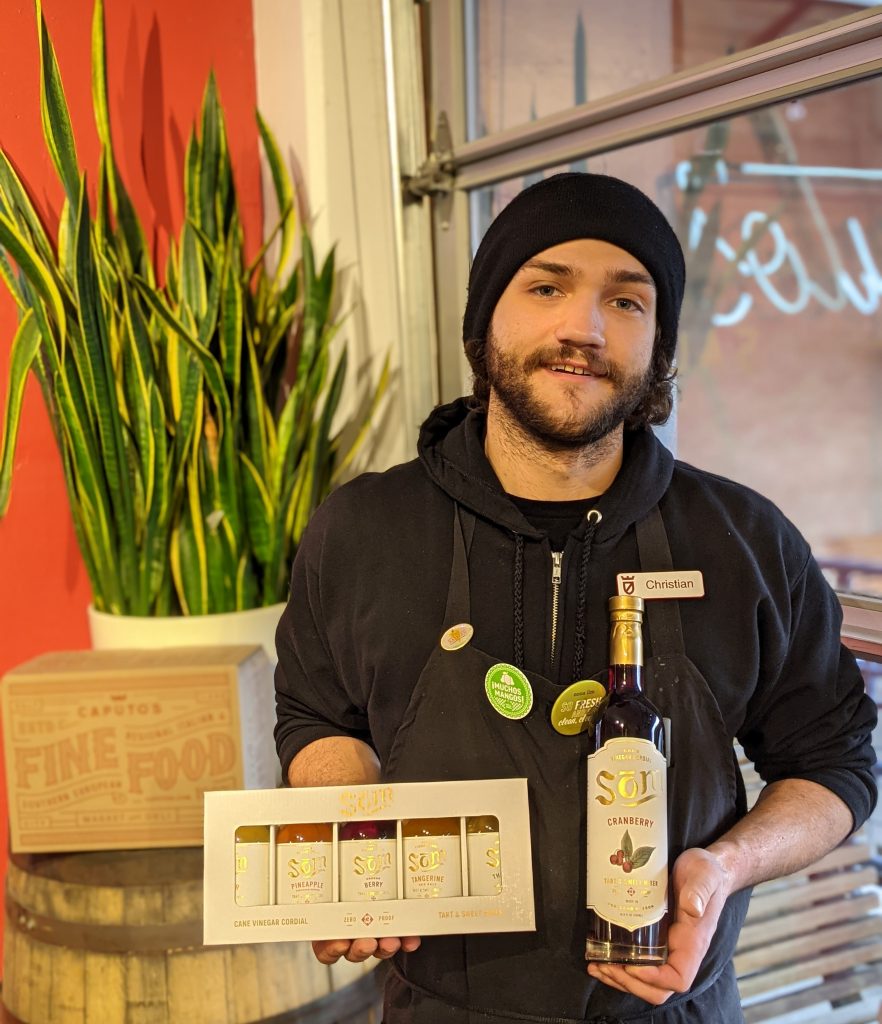
Christian Birch
Downtown Deli Manager

Caputo’s Christmas in July by Solstice Chocolate – Christian runs our downtown deli with a huge smile and a generous attitude. His gift is near and dear to our hearts – an eggnog spiced dark milk chocolate bar created by Matt, Yelena, and Solstice Chocolate as a gift to crew members when they couldn’t gather during Covid. This small batch bar – made just for Caputo’s crew – became so cherished that we had to share it with everyone.


Heather Aagard
Social Media Maven and Merchandising Coordinator

Caputo’s Culture Club – Who doesn’t want a subscription to fancy cheese, salumi, chocolate, and more?! Heather’s the wannabe president of this club full of foodies and friends. Every other month, recipients receive a box of cheese, salumi, accompaniments (including items like chestnut honey, craft chocolate, Matt’s fave hazelnut cookies), tasting guides and an unboxing video with our very own Adri.


Shaymus Bertagnolli
General badass and our in-house beer expert

Craft Beer from our very own cooler! – Our hero from Malty Monday has a new gig – curating the collection of craft beer for sale in our Downtown market! Grab a cold one for your friends and fam while you shop for artisan cheese, chocolate, and salumi to pair with it. That’s our kind of one-stop shopping.

Fighting for Wild Cacao: Caputo’s + Luisa Abram

by Matt Caputo on September 2, 2021

The modern US food system is crushing craftsmanship, sustainability, biodiversity and economic justice.


For years, I have known Caputo’s mission in a broad, eternal sense: “Fight to preserve the food traditions of our ancestors.” However, with the untimely death of my best friend, mentor, and hero, Tony Caputo (aka my dad), it sunk in that our time on Earth is so very limited. I realized we need a way to ensure we have tangible victories while we pursue what is sure to be an eternal fight – enter the Caputo’s Preservation Program (CPP).

Although I hope that Caputo’s can be a catalyst for changing the entire US food system, I also realize I may be tilting at windmills. If we cannot change the entire food system, I know we can at least ensure the success of a select few farmers and artisans. When short term profits are disregarded, we can make sure precious gems like Mesa Farm have absolutely all the support they need. We can make sure that when they falter, they can continue. Randy Ramsley, the owner of Mesa Farm, is one of the last to uphold farming traditions as they were done hundreds of years ago. He goes deep into regenerative agriculture and far beyond sustainability. Visiting his farm is a spiritual experience. Years ago we agreed to create logos and a marketing plan for Randy, but we also guaranteed we would buy 100% of his excess cheese supply. We have held to our commitment through thick and thin and Randy is always the first to say Mesa Farm would have folded at several different junctures if it were not for the support of the Caputo’s community of food lovers and food professionals.

Mesa Farm is a shining example of how agriculture should be conducted; however, wholesome cheese and land stewardship in Utah is not our only area of concern. As chocolate fanatics, it has been painful to watch the global food system whittle away at the biodiversity of cacao that indigenous civilizations of Central and South America experienced.

This pain became particularly unbearable during the beginning of the pandemic when Luisa Abram’s father Andre told us our favorite bar, Juruá 70%, would need to be permanently discontinued. This bar was made with a unique genetic strain of cacao that only grows along the banks of the Jurua River in Brazil’s Upper Amazon. He explained the mounting challenges and financial burden of accessing this cacao (in the world’s most remote jungle) and bringing it to market made it impossible to continue.

As he explained the challenges, I understood that they were complicated, continuous and growing. I also realized that any hope of making this wild crop economically viable may take a decade of investment. I knew their company was facing pandemic induced financial challenges and could not shoulder the burden.

This is when I knew that despite our own pandemic emergencies, Caputo’s could solve this.

If we throw out any expectation of profit on this chocolate bar in the near future, we could prepay for the next harvest. Luisa and Caputo’s together could make sure the small community in the Jurua had the money and guidance to set up their own fermentary and continue to return to Jurua to harvest this incredible cacao, year after year. With Caputo’s guaranteed support, Luisa can purchase all of the Jurua cacao the foragers can procure. 

It cost us a lot, but the nice thing about not having investors to please and owning your own family business is that you get to decide what to invest in. It may not make a worthy investment return in my lifetime, but that is not what is important. What is important is that Caputo’s and Luisa Abram have created a bar of chocolate that will ensure this crown jewel of the Amazon is protected for future generations.

When you taste a Caputo’s Wild Jurua bar you experience the gustatory exhilaration of some of the world’s most rare cacao. Then, when you see the Caputo’s shield emblem on the walls of our store or on the pages of our website, you will know what it stands for, and that you have joined us in our fight. What a beautiful way to fight: spreading camaraderie and love for intrinsically good food.

https://caputos.com/product/caputos-wild-jurua-70-luisa-abram/


#deliciousdaysahead

New and Inspiring: Cuna de Piedra Chocolate de Mesa

by Cuna de Piedra on January 20, 2021

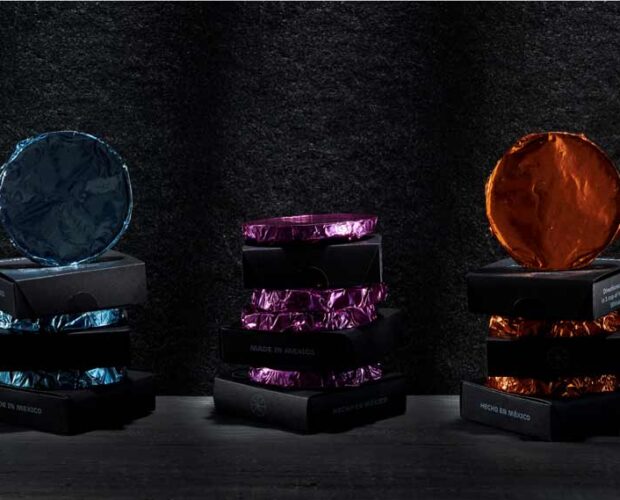
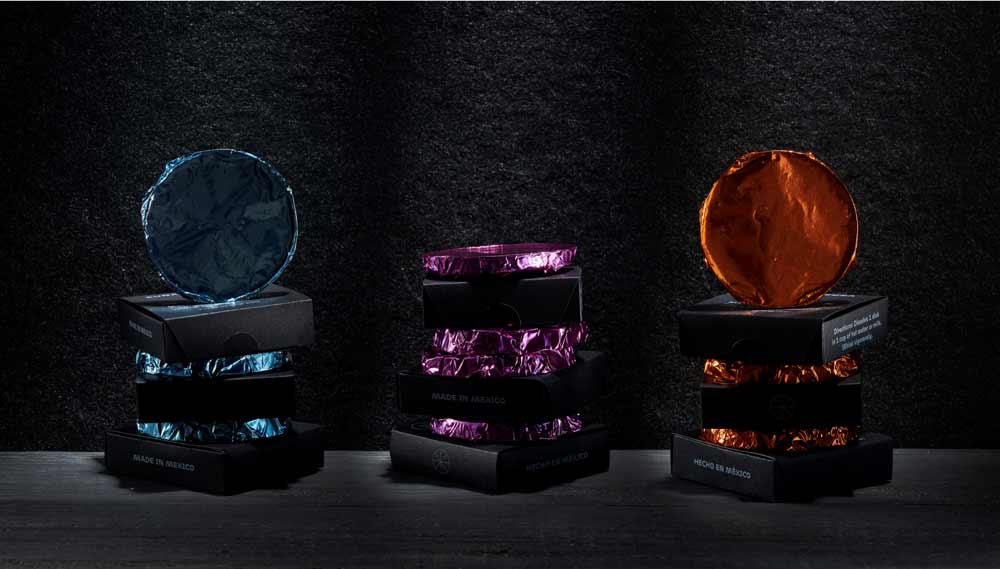
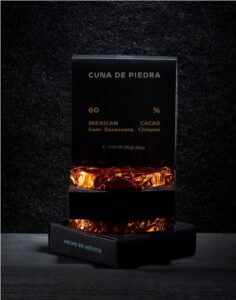
The co-founders of Cuna de Piedra, Enrique and Vicky, would like to introduce an inspiring new collection with photographs taken by Revival Cacao. Chocolate de Mesa celebrates both fermented and unfermented cacaos farmed in the most traditional of ways.

CHOCOLATE DE MESA

The “Chocolate de Mesa” is a traditional Mexican drink whose essence dates back to pre-Hispanic times, the way cacao was consumed before the arrival of the Spaniards. In many places of Mexico (such as Oaxaca) drinking chocolate is still consumed regularly on all occasions: funerals, weddings, baptisms and other festivities, but in other places the tradition has been lost.

That’s why it is essential for us to remember, in the most authentic manner, the way our grandmothers consumed this delicious drink and thus honor the beauty of our traditions and share them to all corners of Mexico and with the rest of the world.

TECPATÁN

Located in the northern Zoque region, in Chiapas, Tecpatán is a place whose language and culture are threatened with disappearance. Nowadays the only inhabitants left in the area are women and children, since most of the men migrated to North America in search of a better future.

For this chocolate, we source a Single-estate, Lavado (unfermented, washed) cacao from Doña Elvira Gómez, a third-generation cacao grower whose strength and perseverance have resulted in better and bigger harvests year after year. Hidden in the mountains of Tecpatán, about 1,200 meters above sea level, her 100-year old cacao trees coexist with pataxte (Theobroma bicolor), tangerine trees and banana plants.

Elevation: High-altitude cacao (1,200 m.a.s.l.).
Process: Lavado (unfermented, washed).
Ingredients: Cacao beans, cane sugar.
Flavor profile: Tastes of spices like nutmeg and clove.
Aroma: Light roasted nuts and cacao.
Body: Medium
Mouthfeel: Thin

View product detail page

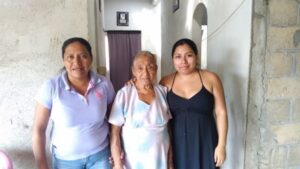
From left to right, Doña Elvira Gómez, her mother and daughter Leidy. The Tecpatán lavado is grown by a growers’ organization consisting mainly of women, being Elvira, a third-generation cacao grower, the leader.

OAXACA

Single-estate, Lavado (unfermented, washed) cacao from Doña Dionisia García’s land, which is located in a town called San Felipe de León, within a region known as “La Chinantla”, in the northeast of Oaxaca.

Doña Dionisia comes from generations of guardians of the Oaxacan cacao legacy, she is a Chinantecan Cuisine ambassador, cacao grower and traditional chocolate maker. In her agroforestal landscape biodiversity is expressed in other native trees like pataxte (Theobroma bicolor), achiote, chicozapote, mamey and banana plants.

To create this chocolate, we were inspired by the traditional “Chocolate de Mesa” of Oaxaca; cacao, cane sugar and a delicate touch of Mexican cinnamon.

Elevation: Mid-altitude cacao (600-700 m.a.s.l.).
Process: Lavado (unfermented, washed).
Ingredients: Cacao beans, cane sugar, Mexican cinnamon.
Flavor profile: Tastes of roasted almonds, nutmeg, and cinnamon.
Aroma: Intense cacao, light roasted nuts and a subtle cinnamon nose.
Body: Delicate
Mouthfeel: Thin

View product detail page

Doña Dionisia is also in charge of organizing all the other
cacao and pataxte farmers of the village in order to be able
to fulfill orders collectively. Her farm is located at the top of a small mountain. It takes
over an hour by foot to go there from her house, the path is
uphill through the forest.

SOCONUSCO

The Mokayas domesticated the cacao tree about 4,000 years ago in Soconusco. There’s archaeological evidence of theobromine traces found in pottery dating back to 1,900 B.C. They were the first to process chocolate in Mexico and most probably they were the ones to coin the word “kakawa” in their Mixe-Zoquean language.

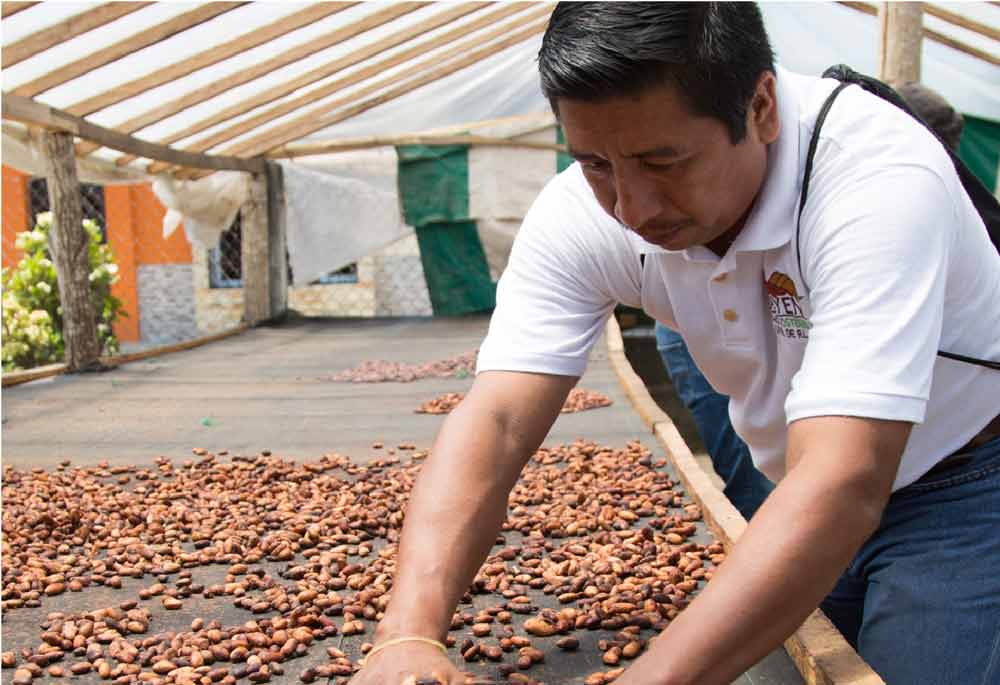
We honor this millenary legacy with our reinterpretation of drinking chocolate with single-origin, fermented cacao from RAYEN, a cooperative in the Raymundo Enríquez ejido in Chiapas, composed of 28 members who own 50 hectares of orchards, where cacao is grown alongside mamey, pineapples, and mangoes, as well as tropical flora like heliconias and majestic ceiba trees.

Elevation: Low-altitude cacao (at sea level).
Process: Fermented.
Ingredients: Cacao beans, cane sugar.
Flavor profile: Tastes of grapefruit, hazelnut and raspberry.
Aroma: Cacao and prune.
Body: Heavy
Mouthfeel: Creamy

View product detail page

Eder Herrera is the president of the RAYEN Cooperative. He grows cacao, masters the fermentation of the beans and oversees all of the following stages of the post-harvest process.

Our Big Fat Greek Vacation Meets Caputo’s Greek EVOO!

by on January 19, 2021

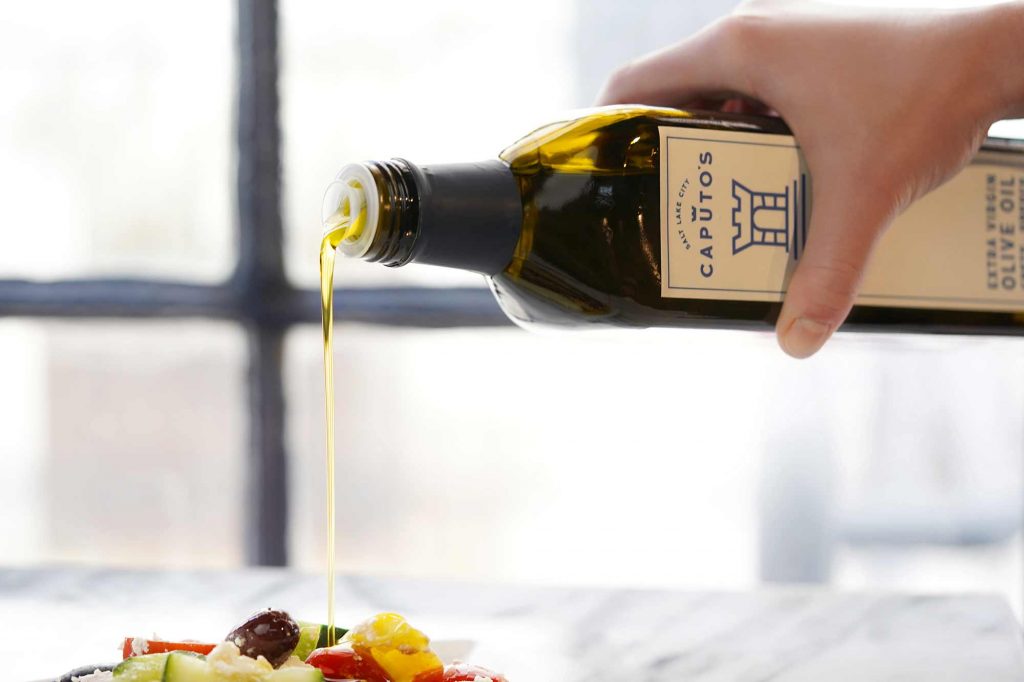
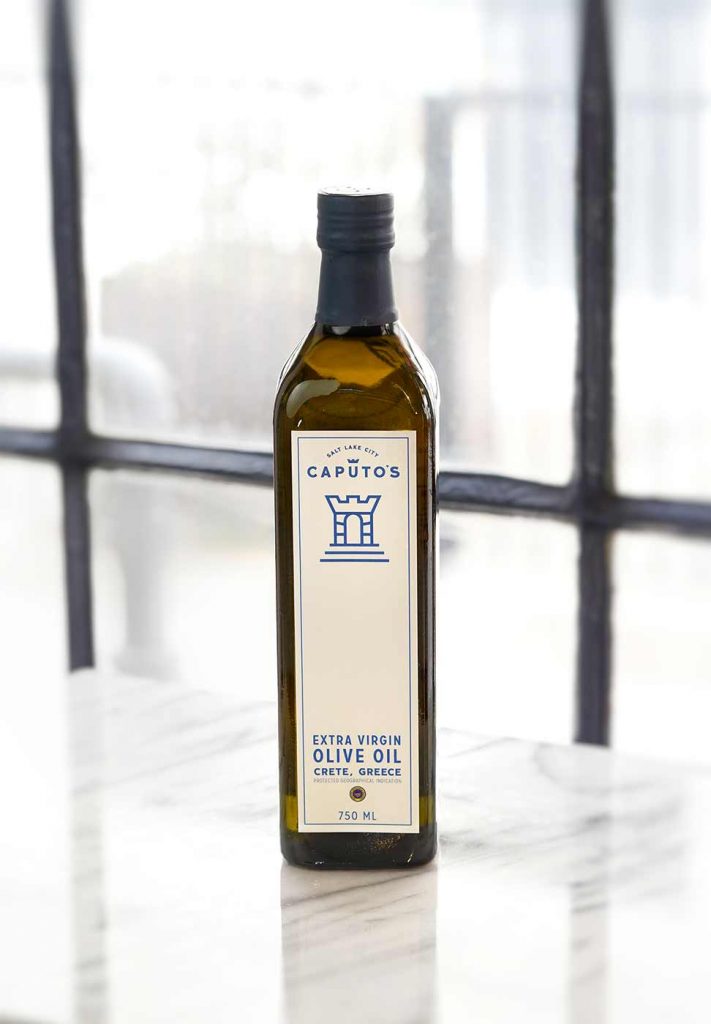
Update! Caputo’s has officially launched our first bottling of PDO protected Greek EVOO! Introducing Caputo’s Extra Virgin Olive Oil, an homage to our roots – both familial and culinary – in the special town of Chania (pronounced Han-ya). Matt’s words on how special this is to us:

Dear crew, friends, and family,

My yiayia (Greek for grandmother) never learned to speak English and had an urban farm way before it was cool. She did it because she was poor. She did it because the produce in the American grocery system didn’t taste real to her. In fact, she didn’t trust it. She wanted to grow and cook with flavors from her homeland, so she grew her own, many of which she brought  from Greece as seeds and starts.
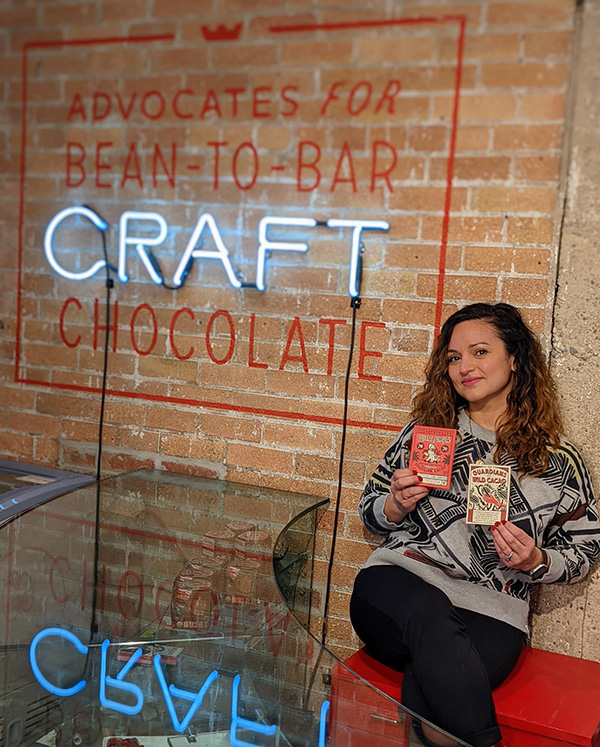
As a kid, I was embarrassed by this way of eating, but my mother always told me stories, patiently encouraged me to keep an open mind, and insisted I eat what was offered. Few things have influenced me more than my Greek mother. This includes my relationship to flavors and food. Thanks to what she and my yiayia provided, I am drawn to flavors that are off the beaten path.

For the products we carry at Caputo’s, I look for the different and even the strange: flavors that are at risk of being left out of our increasingly homogenized food system if we don’t protect them. This olive oil, protected by the European Union and bearing the PDO seal, is just such a product. It is made with olives grown near the ancient port town of Chania on my mother’s ancestral island of Crete, Greece. The Caputo family has spent several summers there getting to know the local cuisine, on an island that consumes more olive oil per capita than anywhere in the world. Cretan food is practically swimming in olive oil just like this one. I researched and tasted many to find the best example of this special oil. It is dedicated to my mother, and we are excited to share it with you.


Walk down memory lane with us in the blog post below, pre-Covid, when we experienced this special place firsthand. As Yelena exclaimed when reminded of our adventure, “It was the trip of a lifetime!” Now you too can experience, in a small way, the unique sense of Chania with one taste of our Caputo’s Greek EVOO.

Post from August 6, 2018:

It’s here! Finally! GREEK WEEK!

But, why?

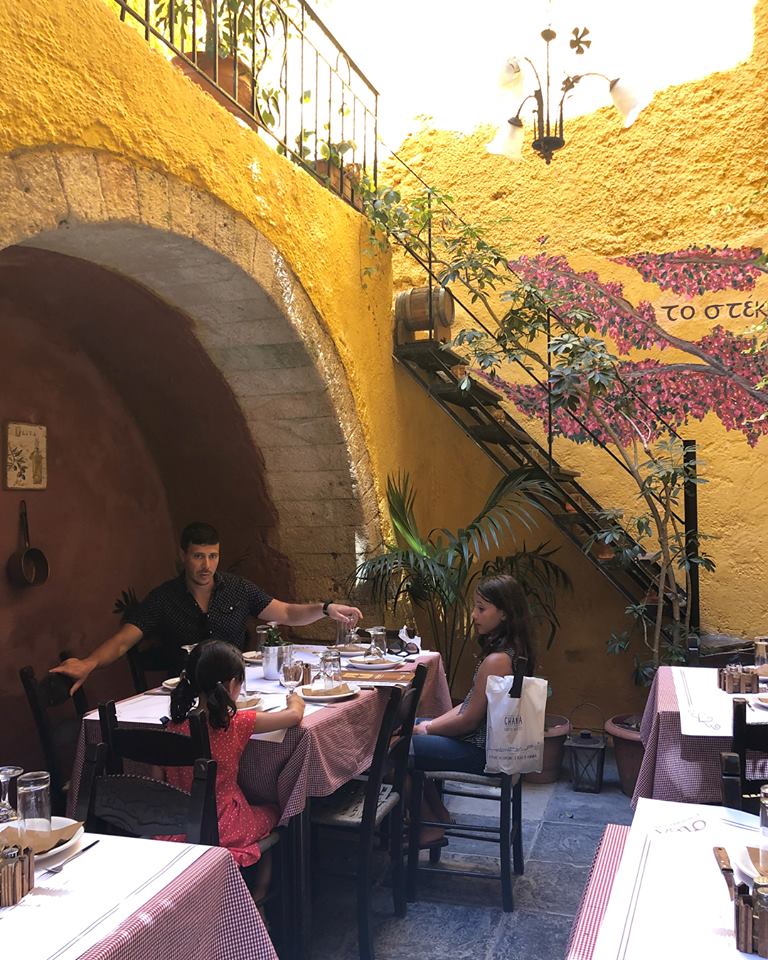
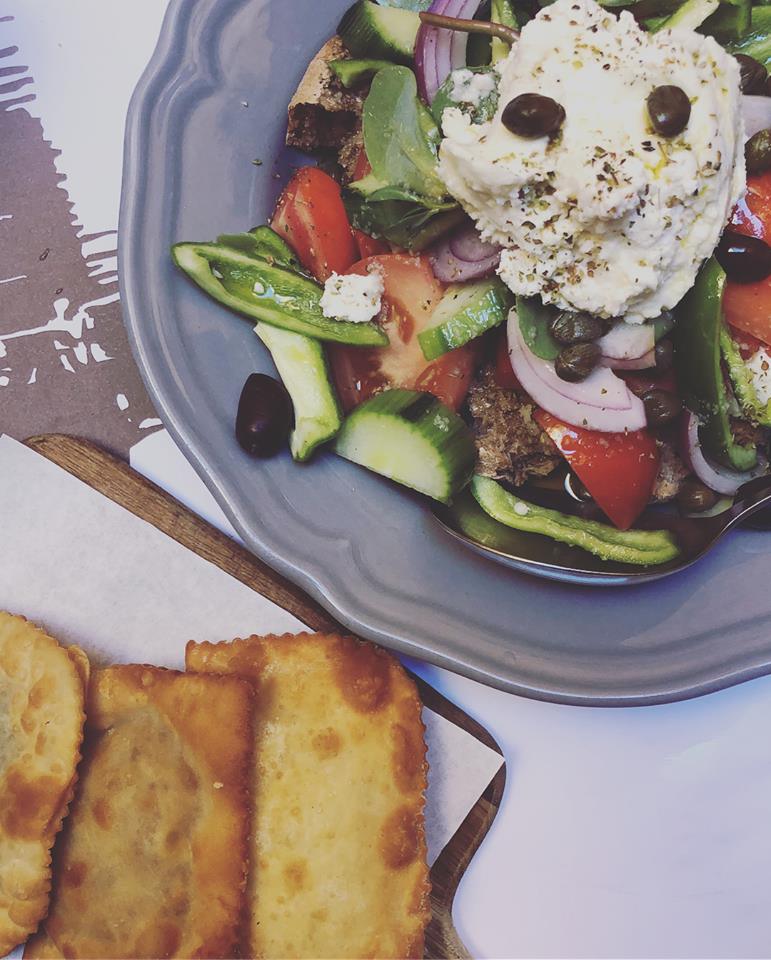
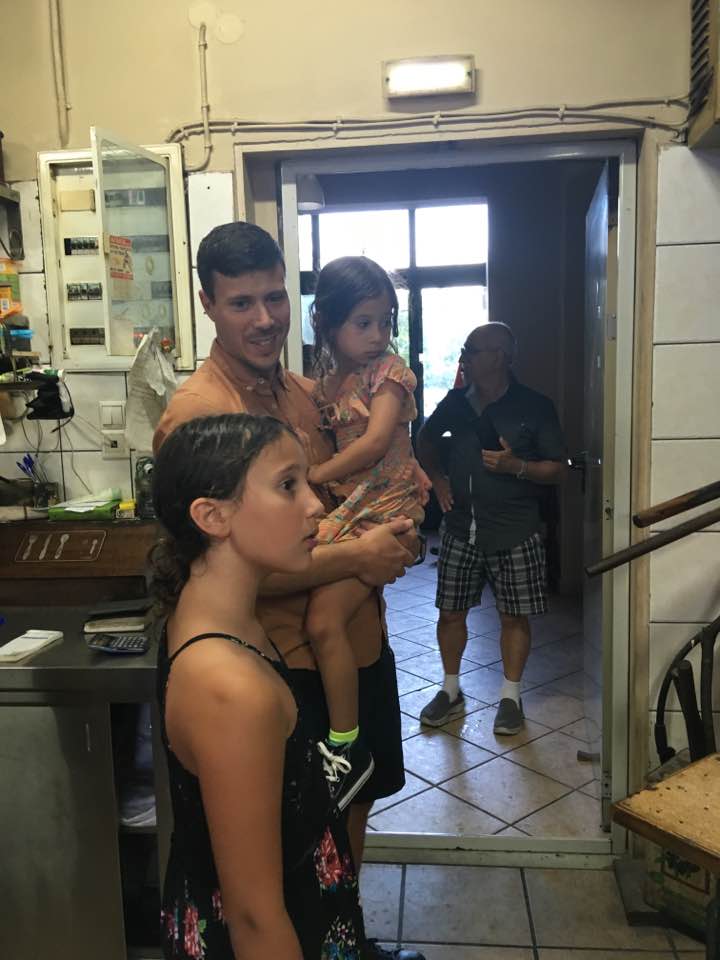
Well,  I’m half Greek. My grandmother (yiayia) arrived in SLC in 1948 and never learned to speak English. Out of necessity, she planted a diverse urban farm, often with seeds and starts she brought from Greece. To this day, it is the flavors and aromas of her recipes that inform which products adorn Caputo’s shelves. Recently, our whole Caputo clan embarked on a trip to various parts of Greece, including our ancestral home on the island of Crete. This trip and yiayia’s memory are the inspiration for the creation of our Greek Catalog, highlighting foods and traditions of this ancient and beautiful culture.

Take a look at our inspiring travel for yourself:

Greece 2018 family vaca starts now! Wish we could bottle their excitement.

Greece 2018 family vaca starts now! Wish we could bottle their excitement.


My big fat Greek wedding, Athenian style.

My big fat Greek wedding, Athenian style.

GiFr Wedding 2


Fam Wedding 2


Fr 1Gi 1


First beach day in Crete! Obsessed with Elafonisi’s crystal waters.

First beach day in Crete! Obsessed with Elafonisi’s crystal waters.


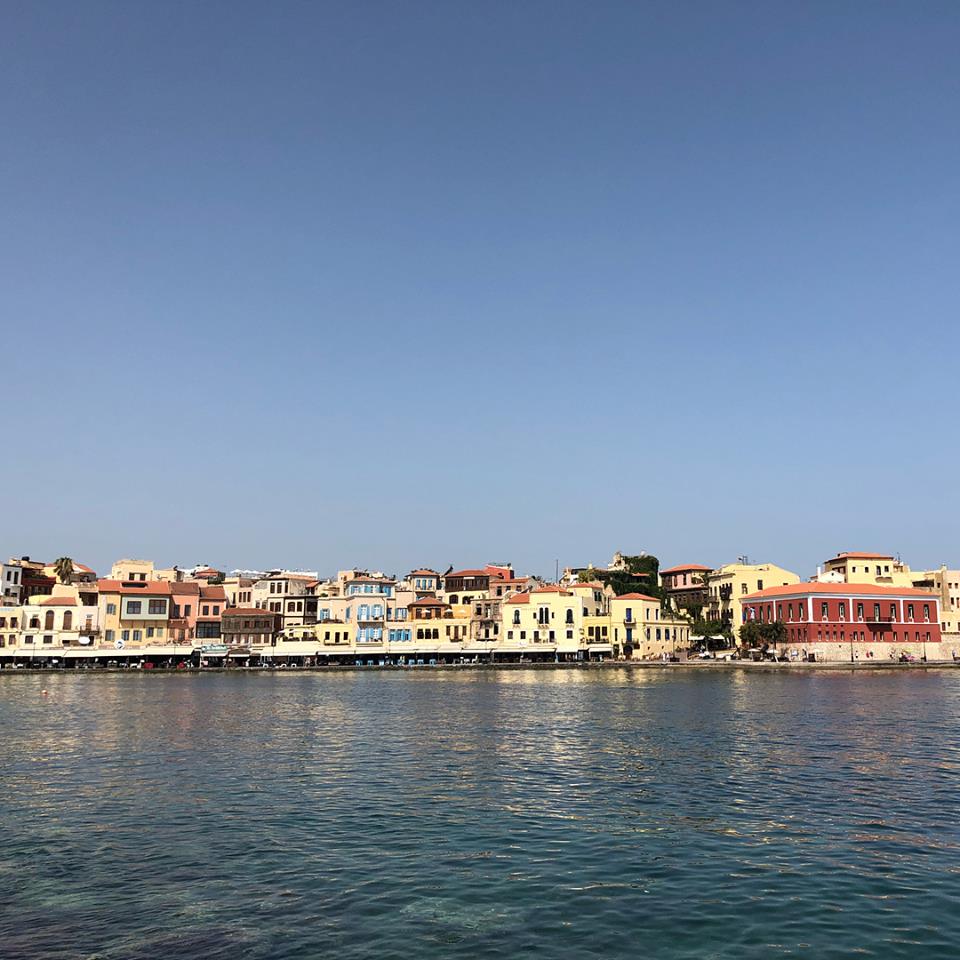
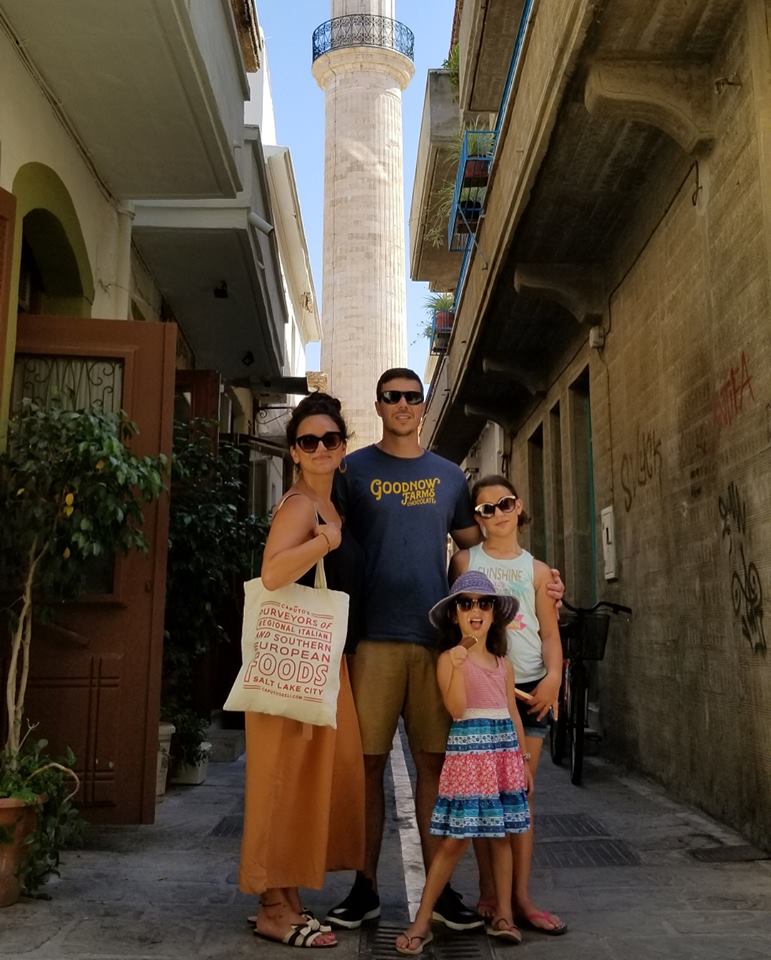
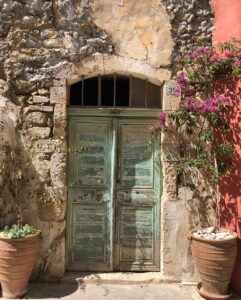
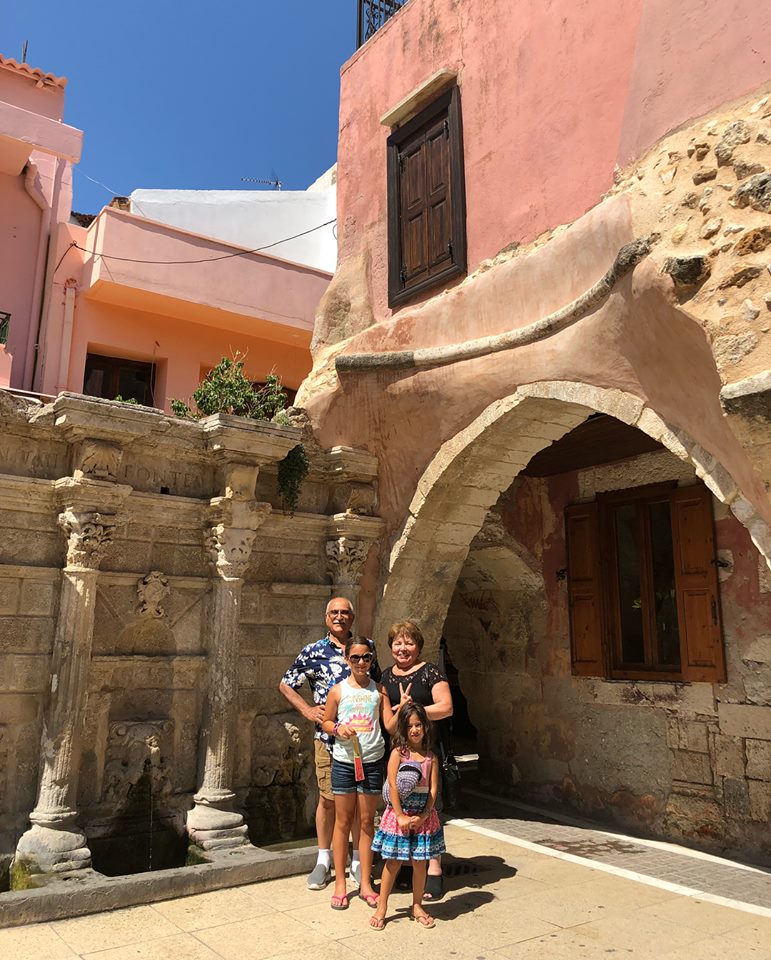
Stomping around Old Town Chania. Χανιά - Παλιό Λιμάνι

Stomping around Old Town Chania. Χανιά – Παλιό Λιμάνι


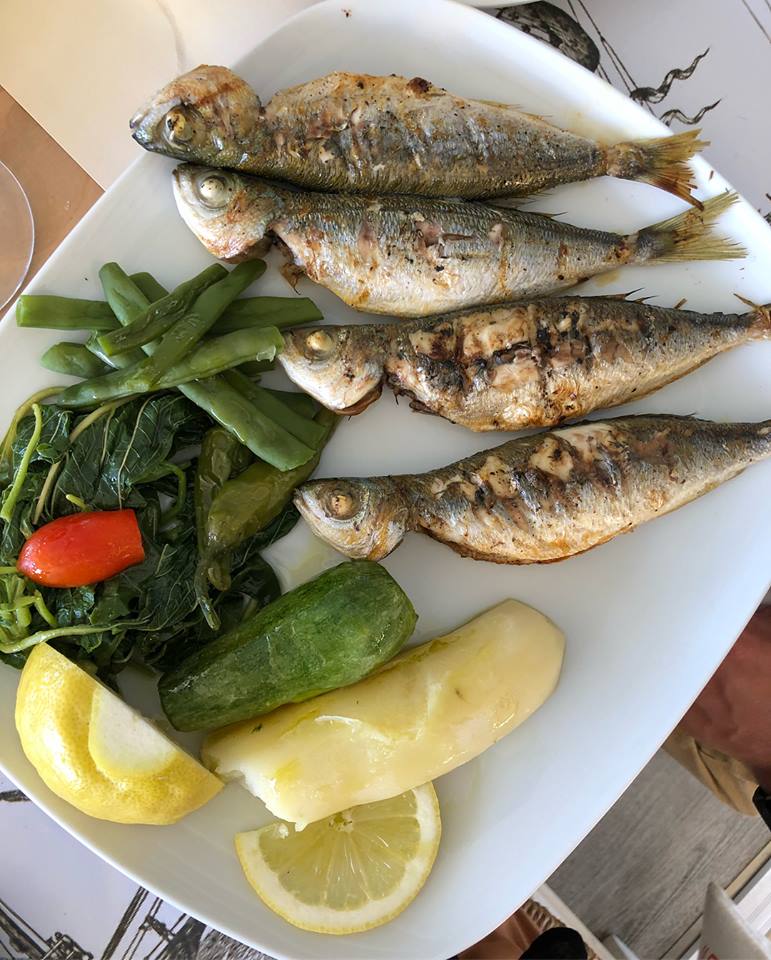
Chania Food


Chania NightChania Tile


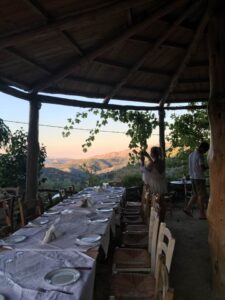
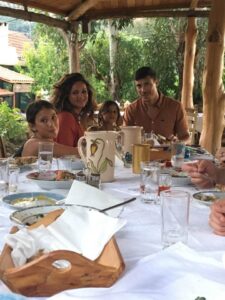
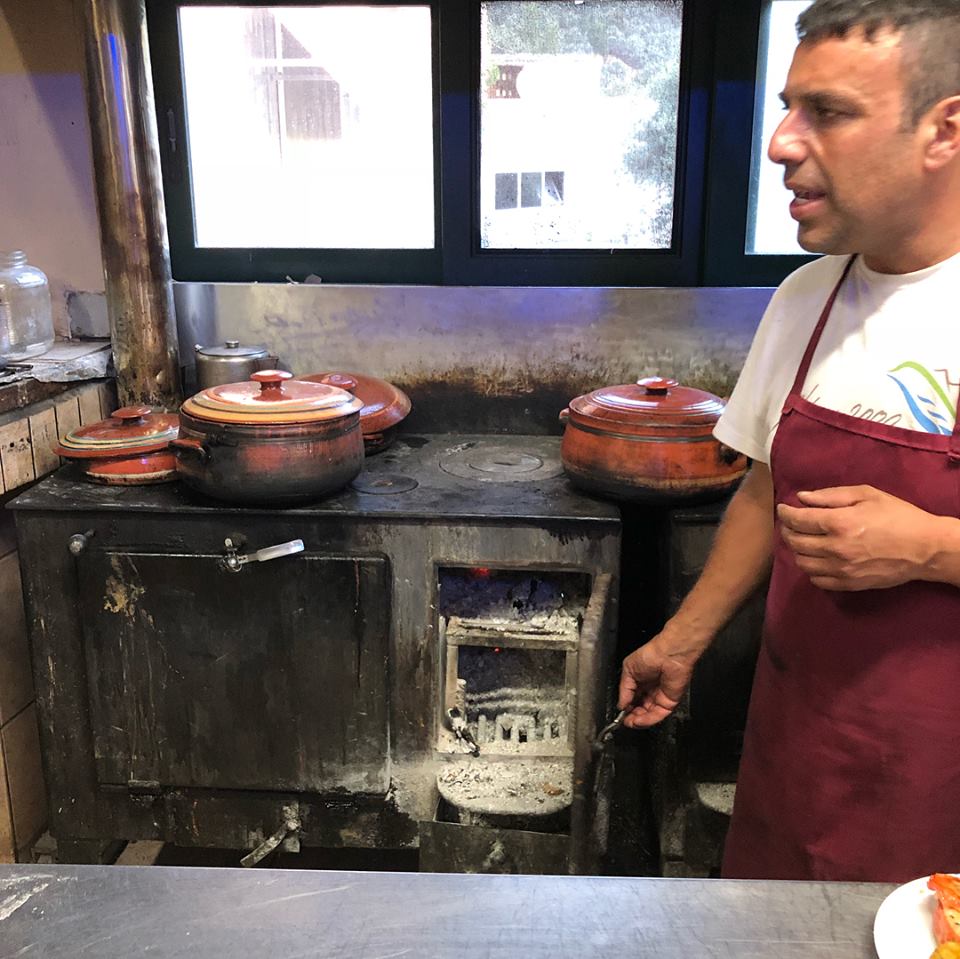
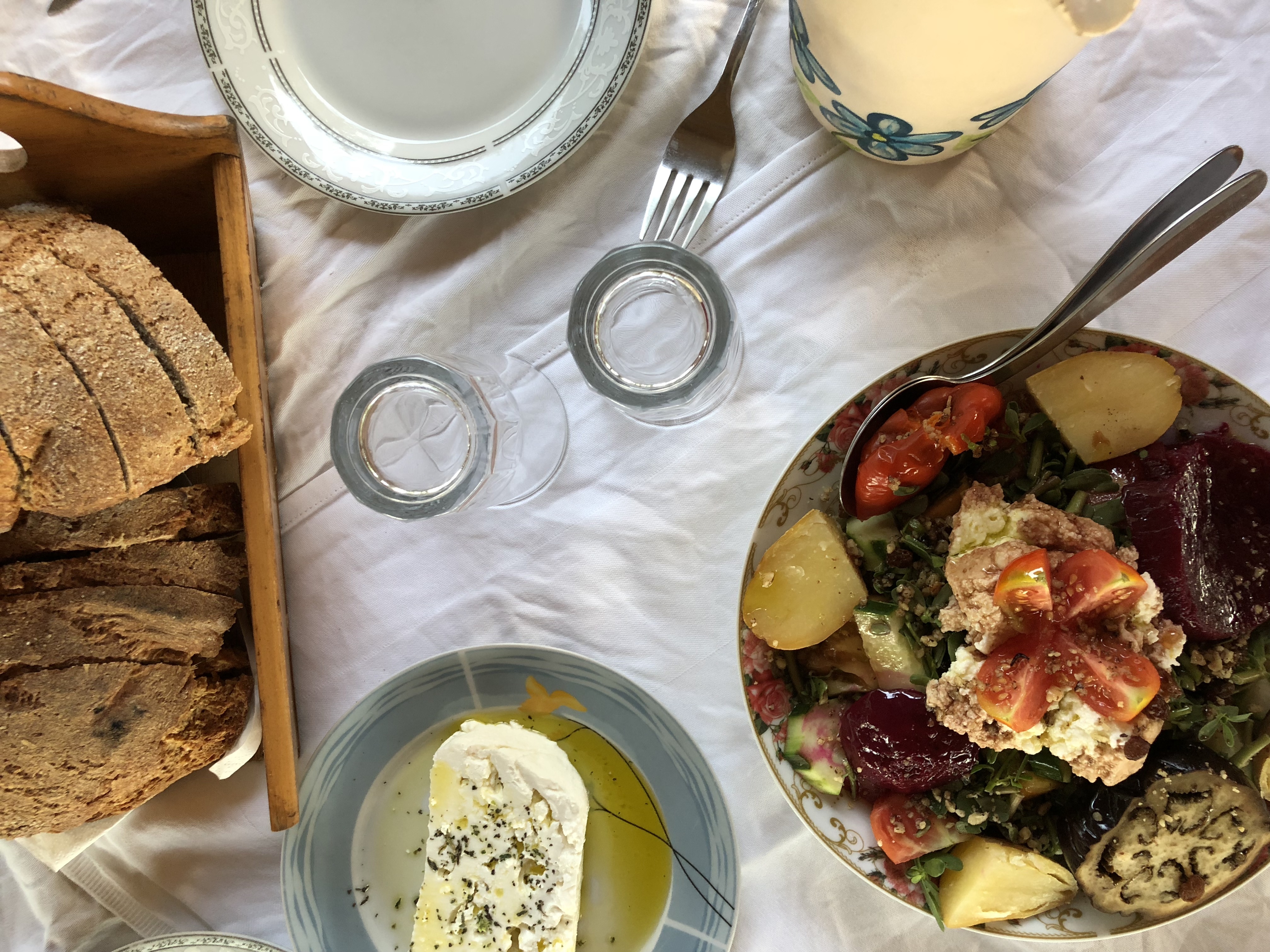
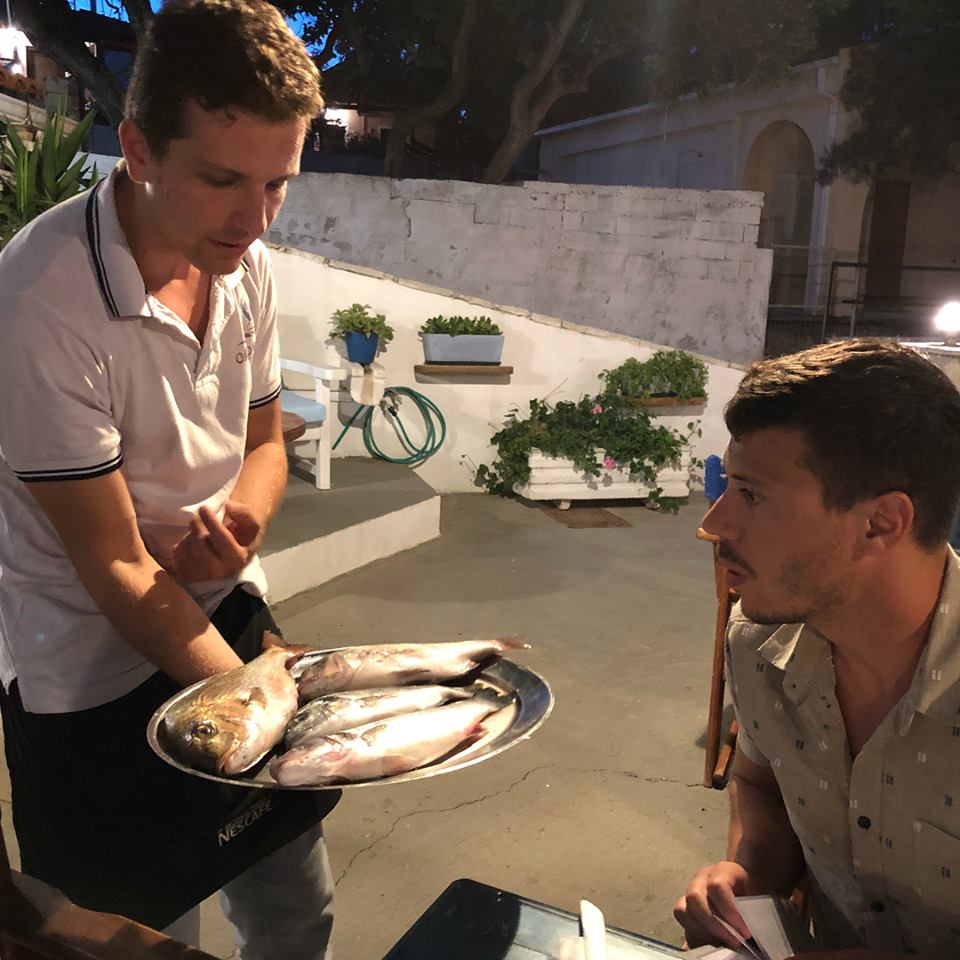
Dining at Dounias in the mountains high above Chania, Crete where the Slow Food movement is nothing new to the region but instead a continuation of the traditional Greek lifestyle and cuisine.

Dining at Dounias in the mountains high above Chania, Crete where the Slow Food movement is nothing new to the region but instead a continuation of the traditional Greek lifestyle and cuisine.


Dounias7Dounias8Dounias 2Dounias 3


Dounias 12

IMG_1473


Dounias6

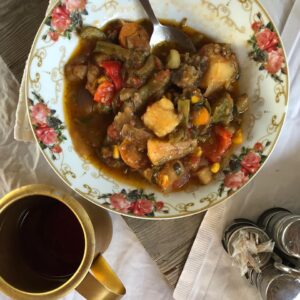
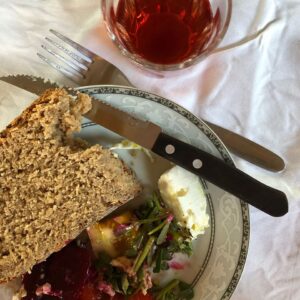
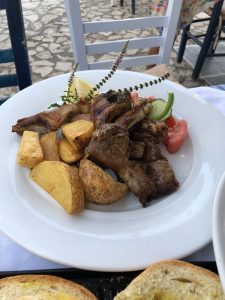
Nestled in the mountains an hour outside of Chania, this taverna went so far and beyond rustic cuisine. The owners’ (husband and wife duo) little 2 yo boy sat at our table and ate snails from our plates. Kitchen tour, wood fire cooking only, cheese making before our eyes. And that bread. Highlight of the trip

Chania Old Town Port

Chania Old Town Port

Throwing it back to Athens. Acropolis | Lycabettus Hill | Plaka

Throwing it back to Athens. Acropolis | Lycabettus Hill | Plaka


Athens 1Athens 5


Athens 7Athens 8


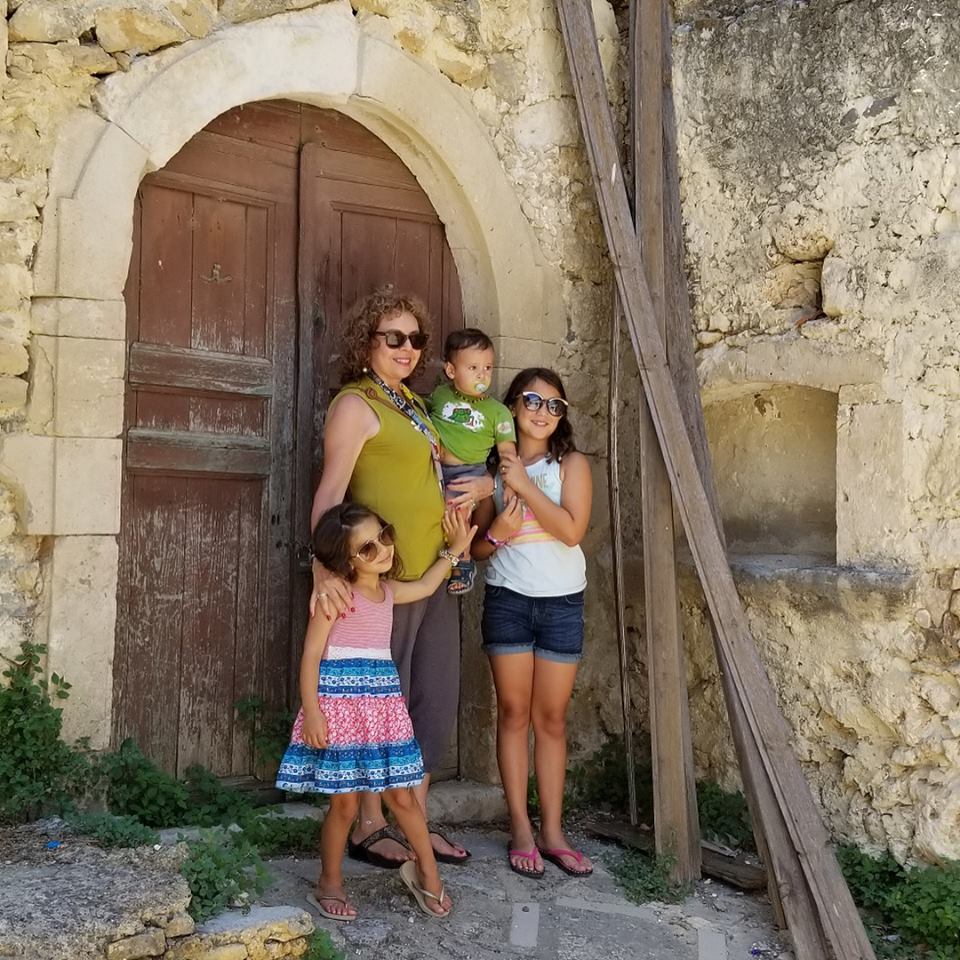
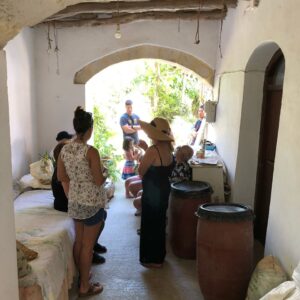
Visited Yiayia’s mother’s birthplace in the village of Atsipopoulo, just outside of Rethymno. Met with neighbors who knew Polymnia and welcomed us with gifts and sweets. ❤️

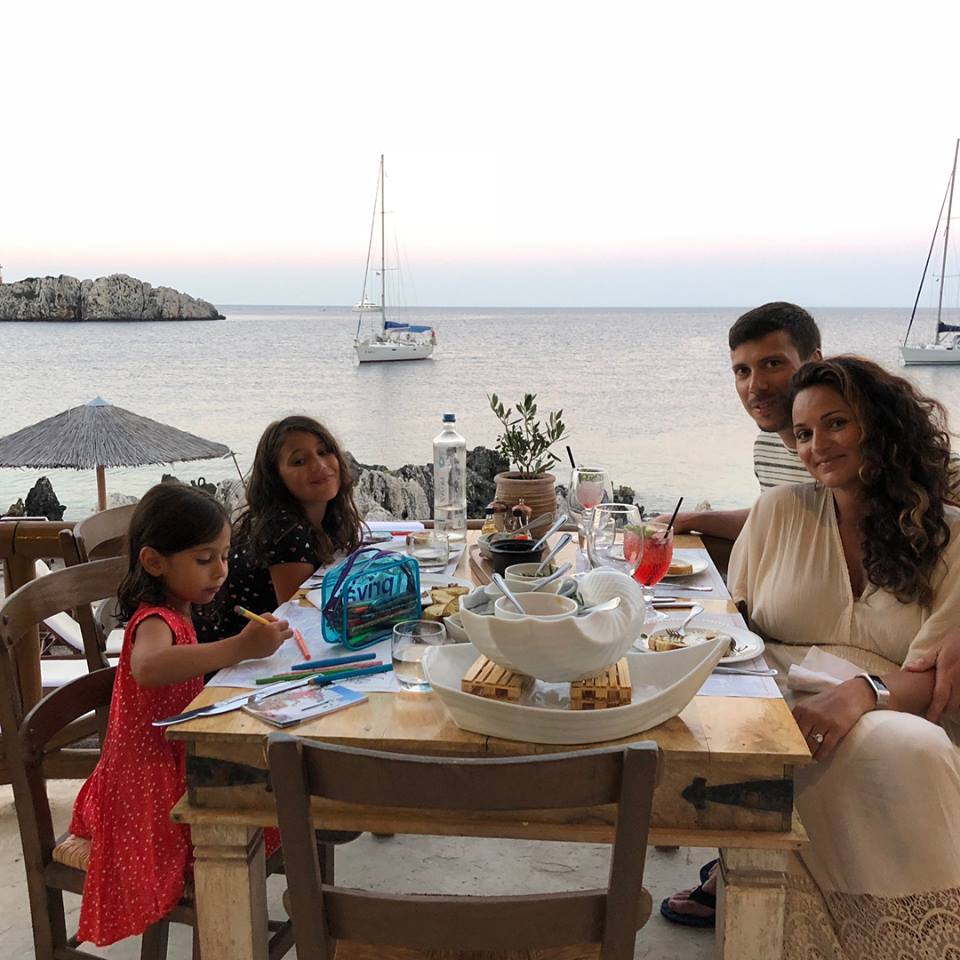
Visited Yiayia’s mother’s birthplace in the village of Atsipopoulo, just outside of Rethymno. Met with neighbors who knew Polymnia and welcomed us with gifts and sweets. ❤️

Atsipopoulo2Atsipopoulo3


Atsipopoulo4

Rockin’ Rethymno. Réthymno, Rethimni, Greece

Rockin’ Rethymno. Réthymno, Rethimni, Greece


Rethymno3Rethymno2


Rethymno4

Rethymno5


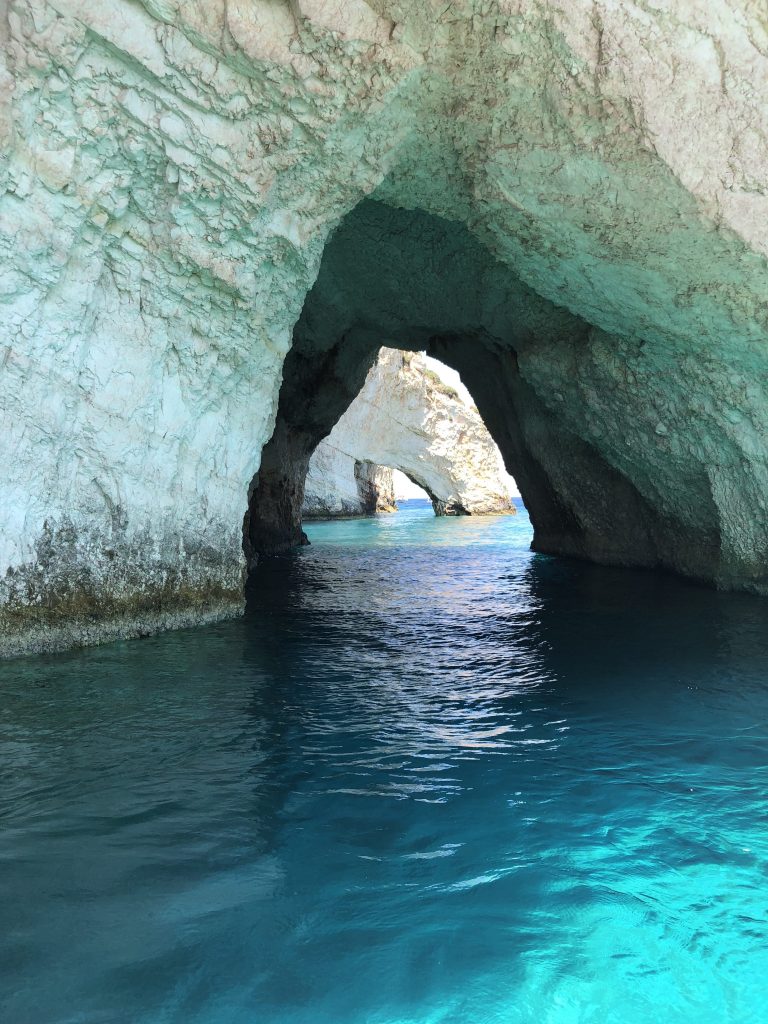
For the last leg of our trip, we picked a place we’ve never been, mostly because of the beach pics. Island in the Ionian, famous for the Shipwreck Navagio beach and blue caves. Evening views from top were way more impressive than daytime with the crowds.

For the last leg of our trip, we picked a place we’ve never been, mostly because of the beach pics. Island in the Ionian, famous for the Shipwreck Navagio beach and blue caves. Evening views from top were way more impressive than daytime with the crowds.


Makris Gialos, Xigia, Alykes2Makris Gialos, Xigia, Alykes3


IMG_2581


Makris Gialos, Xigia, Alykes4Makris Gialos, Xigia, Alykes5


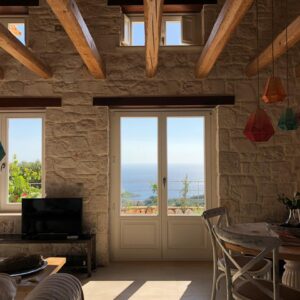
We stayed in a remote area up north (apparently, the south is a bit of a party town). Loved the water, the countryside and the people here. They don’t get American tourists often and were so kind.

We stayed in a remote area up north (apparently, the south is a bit of a party town). Loved the water, the countryside and the people here. They don’t get American tourists often and were so kind.


Makris Gialos, Xigia, Alykes8Makris Gialos, Xigia, Alykes7


IMG_2033IMG_1914Makris Gialos, Xigia, Alykes9


IMG_2136IMG_2138Chania4

What We’re Giving – 2020 Edition

by on December 21, 2020

You’re still not sure what to give, and you haven’t started shopping yet? That’s OK, we won’t tell a soul. In an effort to inspire your food gifting, here’s what some of your favorite faces from Caputo’s are giving to their friends and family this year.

Don’t see your favorite monger here? Drop by before the holiday—we’re open through the afternoon of Christmas Eve—and ask them for their personal recommendations. We’re certainly not lacking in opinions around here.

So, here you have it: each of our gift picks for 2020:

Matt Caputo
President and ultimate boss-man

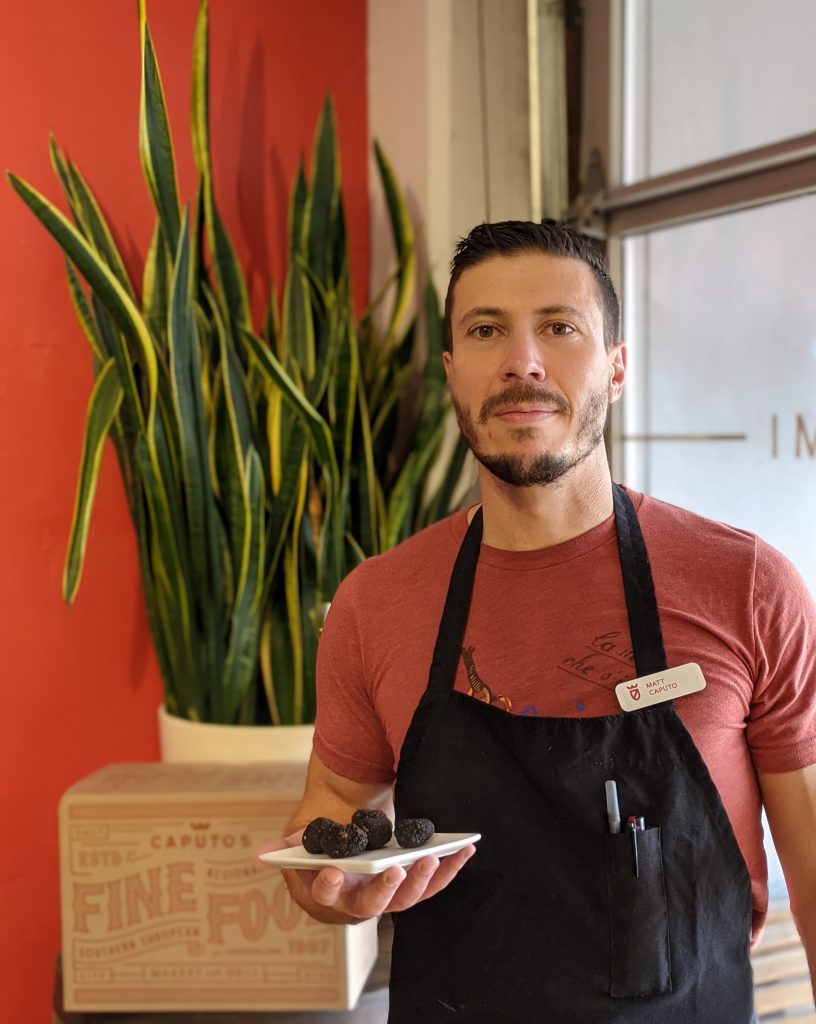
Fresh Black Truffles – As the ultimate boss-man, Matt has chosen the ultimate foodie gift – fresh black truffles. (Pssst – they also look suspiciously like coal, which was what ultimate boss lady Yelena’s suggested gift for Matt would be…).


Yelena Caputo
Vice President, and ultimatest boss who oversees said boss-man

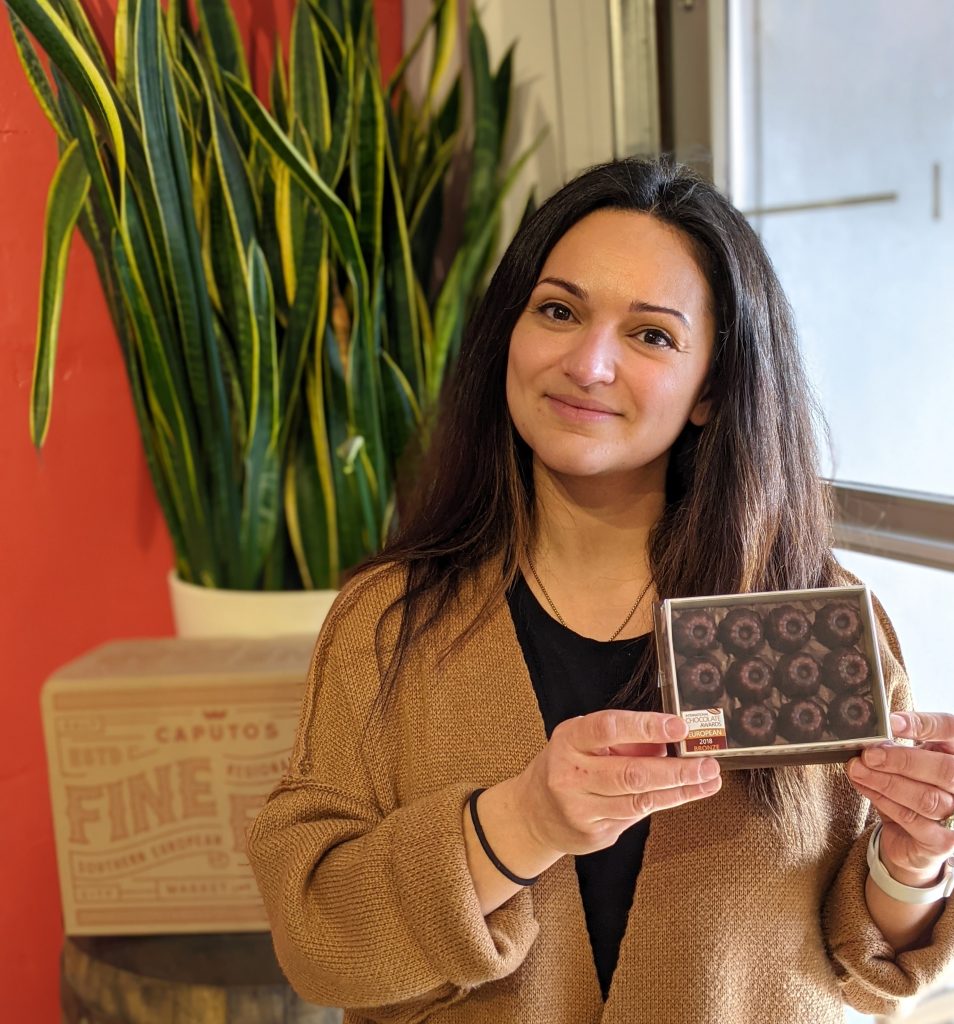
Chapon Canelas – Yelena is THE classiest lady we know. And her gifting choices are no different. This year, she’s giving French chocolate wizard Chapon’s exquisite Canelas – tiny French confections with nougatine and a dark chocolate shell.


Adri Pachelli
Senior Manager & Director of Education

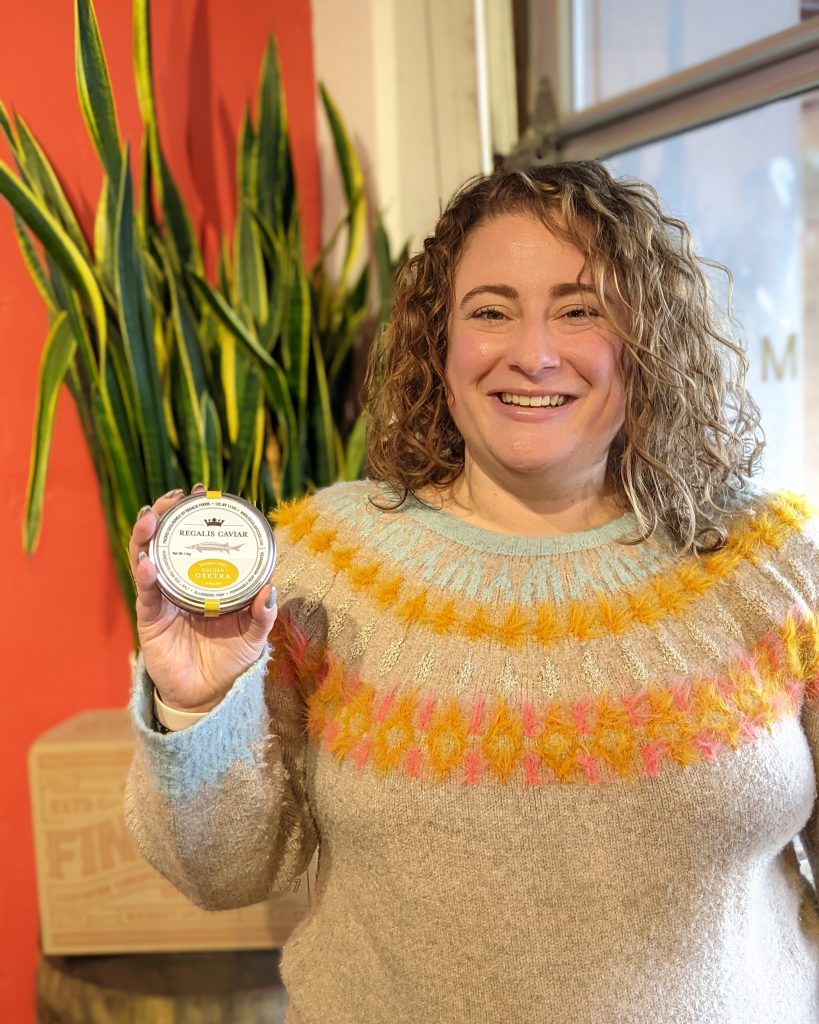
Regalis White Sturgeon Caviar – We all know Adri does NOT mess around. So when Caputo’s brought in caviar for the first time, she scooped up a 1 oz jar faster than you can say “fancy.”


Alicia Konzen
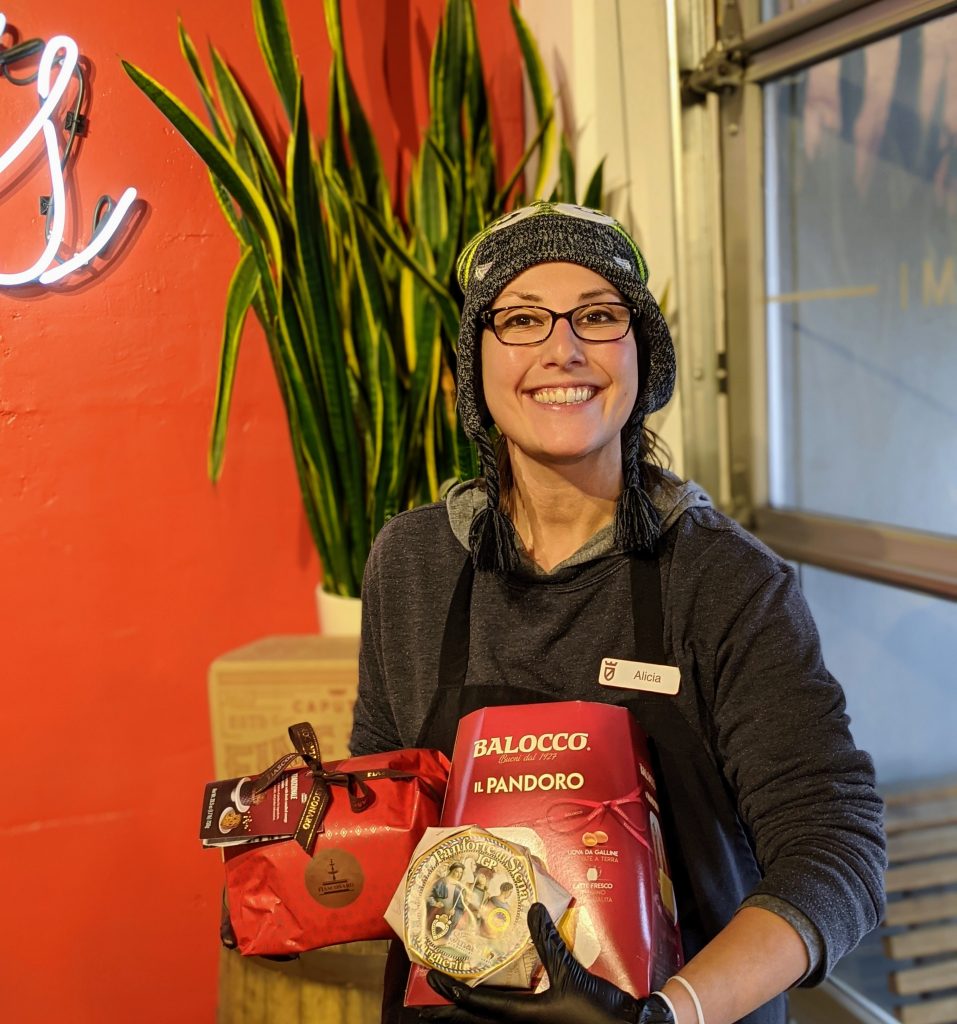
Downtown Market Manager

Hot Off the PAN –  An Alicia original. If you’ve ever met Alicia, you’d know she loves a play on words! Her gifts are no different. She’s giving all things “pan” – Panettone meets panforte meets pandoro! Tis the season, after all.


Antonia Horne
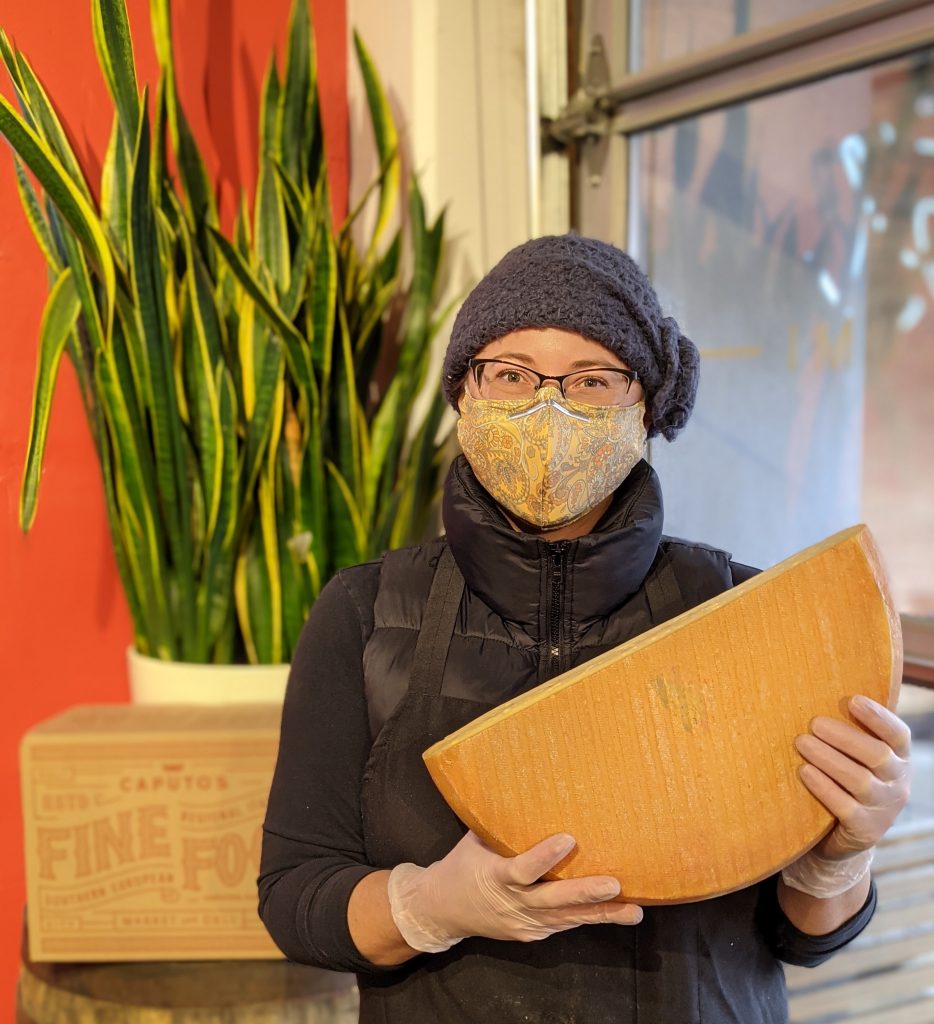
Affineuse AKA maker of all tasty things from our Cheese Caves

Half Wheel of Raclette – This Christmas, Antonia is sharing Raclette with friends and family. Since she can’t give them actual hugs, she’s giving “inside hugs,” of the coziest, most comforting cheese she knows.


Jamey Chelius
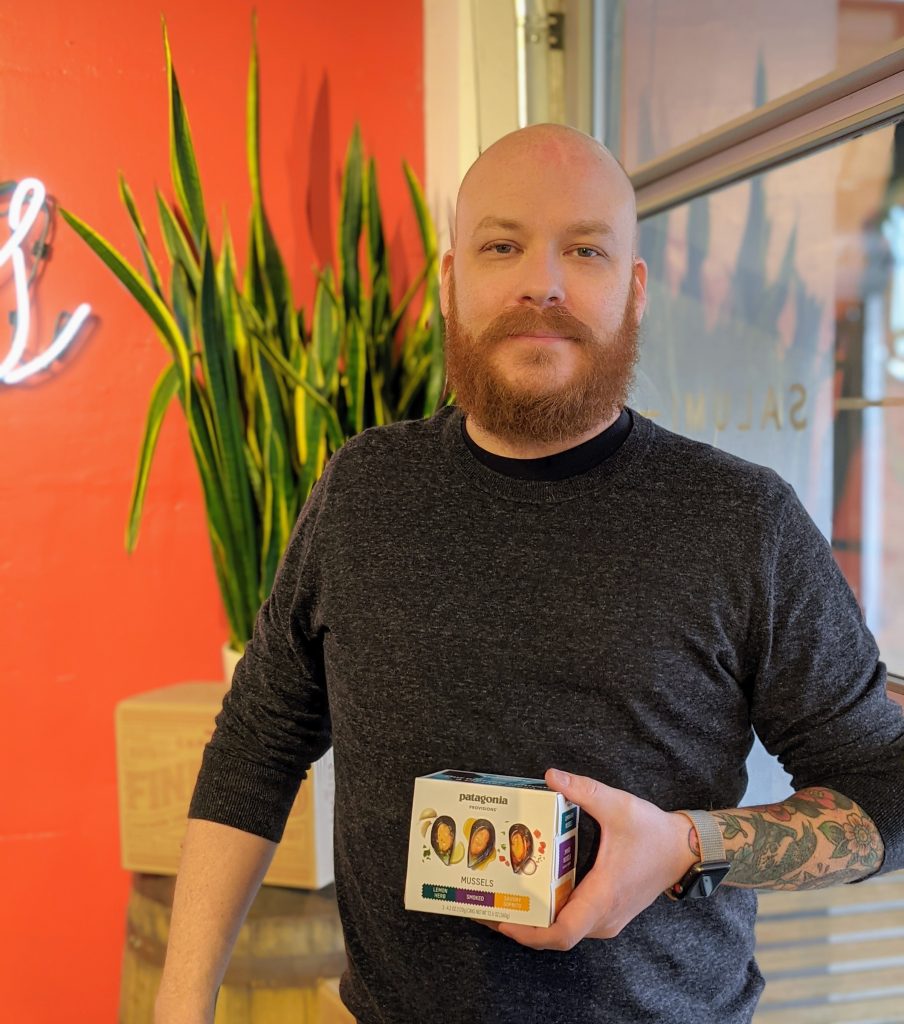
15th & 15th General Manager

Patagonia Provisions Mussels Gift Pack – Our New Mexican native and fearless 15th leader knows a thing or two about serious flavor. Especially when it comes to conservas! Patagonia (yup, same company as the parkas and tents) triple threat of mussels is right up his alley.


Austin Shimada
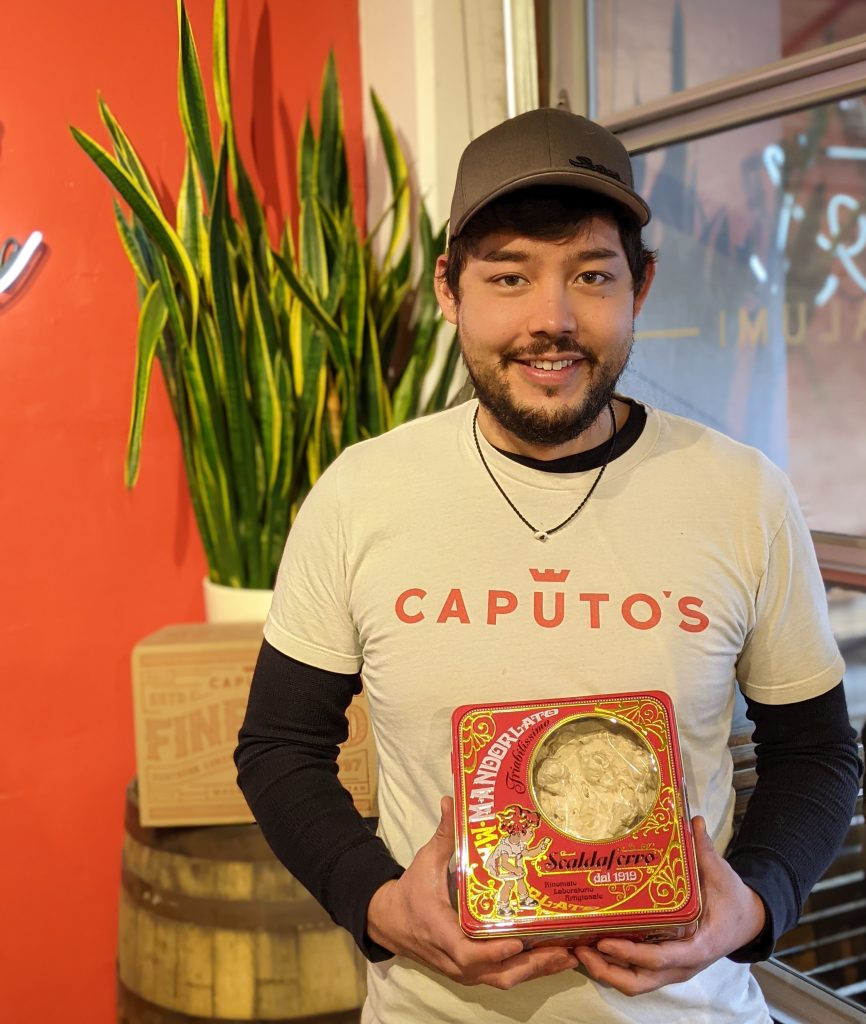
Holladay General Manager

Scaldaferro Crumbly Nougat Pie – In life there are precious few morsels that transport the consciousness to a different time and place. This is one of those morsels. When an artisan makes nougat based on the waning or the waxing of the moon and explains it in such a way that makes sense, Austin goes out of his way to eat – ahem, gift – that nougat.


Christian Birch
Downtown Deli Manager

Som Cordial Gift Pack and Cranberry Som – Christian is the cheeriest guy in the deli! And he enjoys a cheery drink as much as anyone. Som’s cordials make bev making easy (and delicious!) for both cocktail and mocktail drinkers alike.


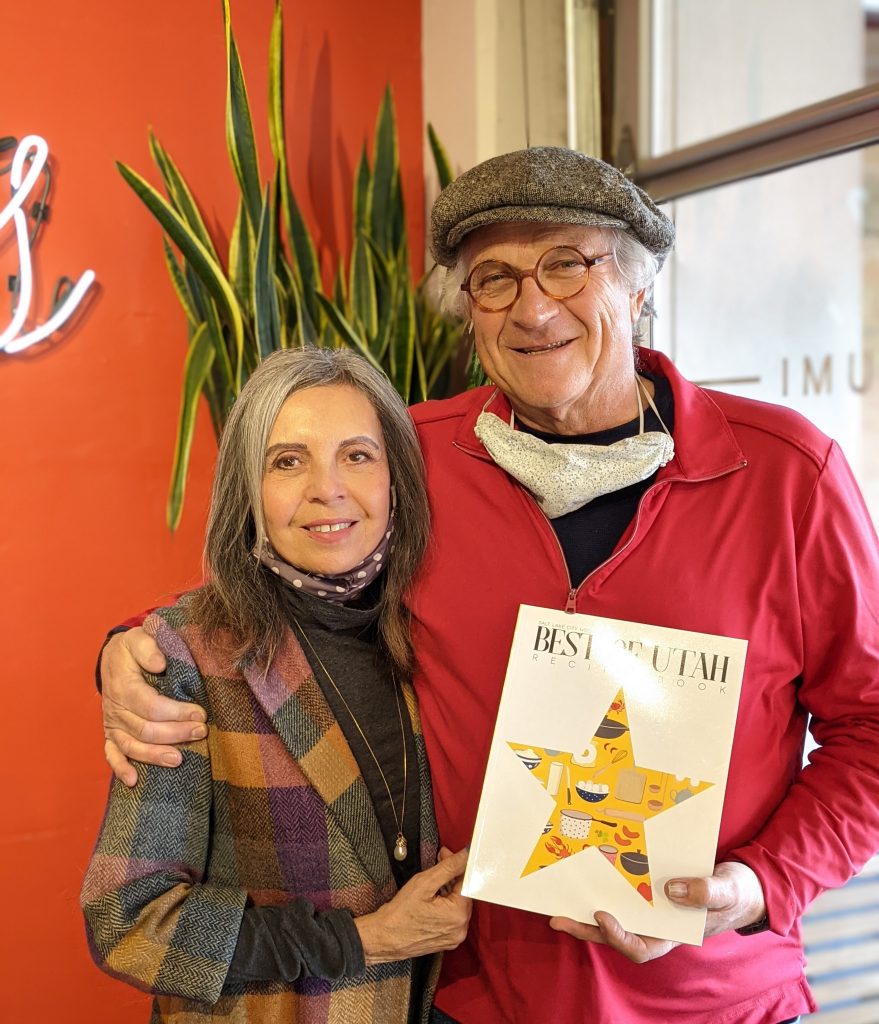
Tony and Mary Caputo
The OG himself and his fine lady

City Weekly’s First Every Recipe Book – Tony and Mary are friends with everyone in the local food community! His gift, then, is no surprise. He’s gifting the City Weekly’s Recipe Book – a commemorative compilation of recipes from top Utah eateries and distilleries. But wait – there’s more than just cooking how to’s – the proceeds benefit the Galena Fund (support for local journalism) and the Tip Your Server Campaign (support for local displaced waitstaff in the Hospitality industry).


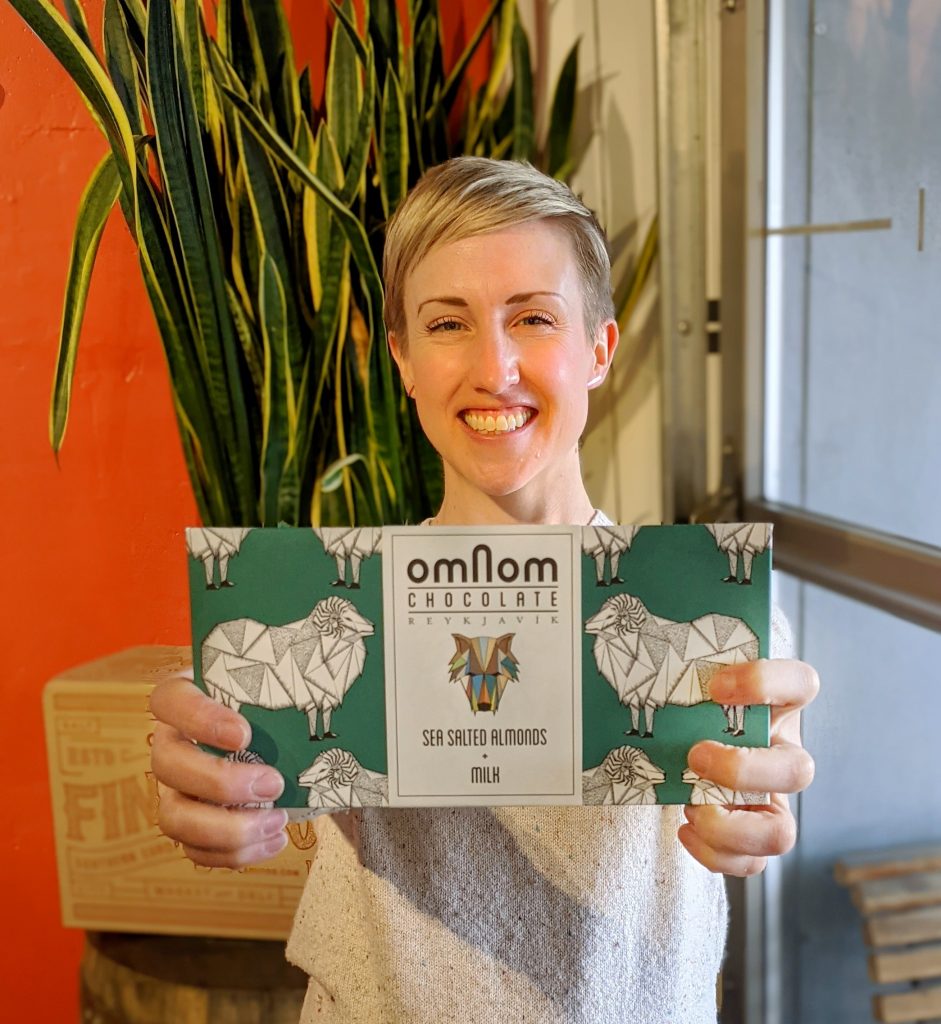
Heather Aagard
Social Media Maven and Merchandising Coordinator

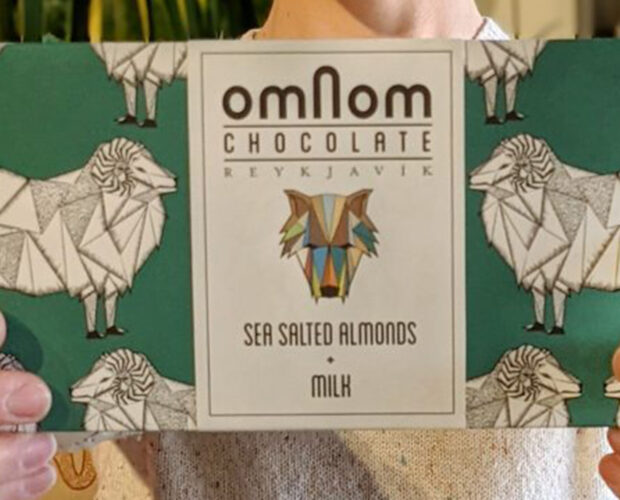
Omnom GIANT Sea Salted Almonds bar – Heather is known for her enthusiasm – for all things cheese, chocolate, and, well, really anything in our markets! And when full 8 oz GIANT Omnom Chocolate bars landed from Iceland, you could hear her squeal for miles.

Olasagasti – With Love from Basque Country

by Abigail Sabir on August 24, 2020

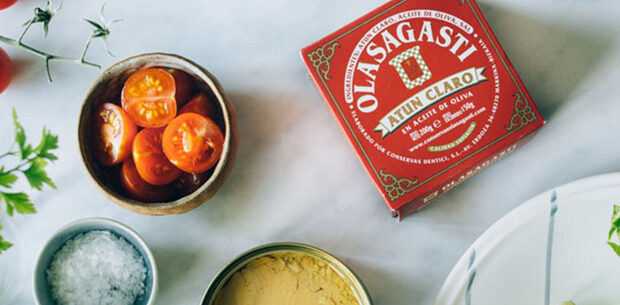
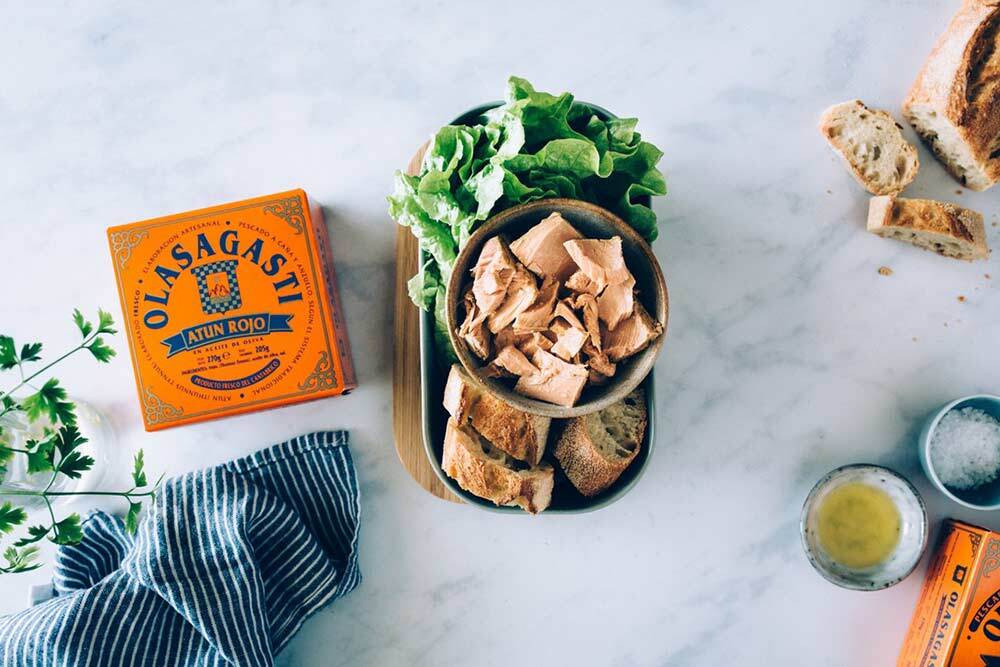
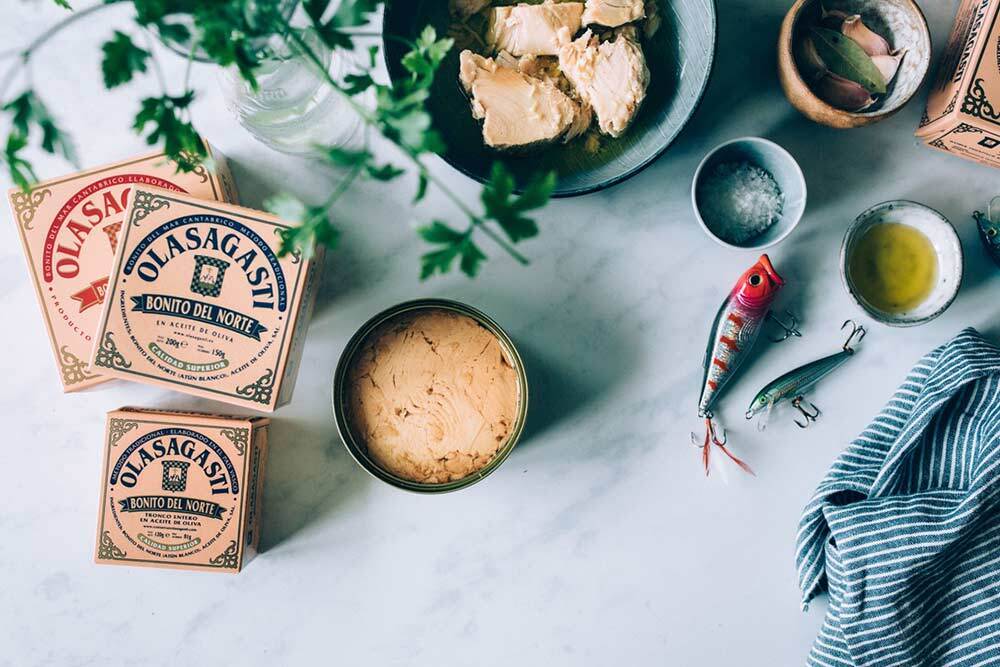
Since the late 1800’s, Olasagasti has been preserving fine seafood with a process perfected over the course of more than 100 years. Olasagasti is a company born out of the merging of two beautiful cultures, a union that has lived on to bless us with elegant tins of full-flavored conservas. Made with centuries-old know-how, their secret ingredient is the Cantabrian Sea. Reaching across 500 miles of the Basque coast, its chilly waters provide expansive breeding grounds for bounteous seafood.

Salvatore Orlando was sent from his home of Sicily to the Cantabrian Coast, specifically Getaria, Gipuzkoa, in the late 1800’s. He was the first to introduce long-standing Italian salting techniques to the Basque community. In Getaria, he fell in love and created a life with Simona Olasagasti, bearing six children and a handful of family business ventures. Conservas Olasagasti was created as an amalgamation of traditional Italian and Basque ingredients, recipes, and techniques that are packed each in tin or jar, with the utmost care. Today, the grandson of the Olasagasti pioneers runs the factory in Markina, Bizkaia, upholding the philosophies it was founded on.

I began my Olasagsti tasting journey with a tin of the Yellowfin Tuna in EVOO, tastefully packaged in burgundy and gold. At first whiff, a brief moment of nostalgia washed over me. Noting its robust scent, I was reminded of enjoying tuna salad with my siblings as a young kid. I nibbled at the pale colored fish and the memories faded. This yellowfin tuna was nothing like the $.99 can of Chicken of the Sea I once loved. Fished on the high seas, Olasagasti refers to their yellowfin tuna as “the king of the pantry”. It is mild, delicate, and packed with evenly distributed extra virgin olive oil between each flaky layer. After my first bite, I scooped the remaining contents of the tin atop a bowl of beans with a well seasoned broth and finished it with a dollop of crème fraiche for a delicious, nutritious meal.

Olasagasti takes the next step in highlighting their top quality tuna with a variety of meal-in-a-can offerings. These feature both Sicilian and Basque flavors that are meant to simplify and enhance mealtime in a hurry. Seeing as there is a sort of bean-renaissance in the food world today amid the pandemic, I was particularly excited to try the Tuna Fish Fillet a la Toscana, or Tuna Fillets with White Beans.  The simplicity of this tin is an obvious nod to Olasagasti’s Italian roots, since Tuscan cuisine is known for a simple take on utilizing seasonal produce. Packed with carrots, celery, and white beans (a Tuscan favorite) that are perfectly prepared, this tin feels healthy, hearty, and straightforward. I heated it in the oven until the oil was bubbling, doused it in hot sauce (Espinaler, of course), and my belly thanked me. For a more filling meal, try putting it over some rice or cooked greens and finishing it with a little cracked pepper. It would also be a perfect compact meal to carry along on a camping or backpacking trip. Upgrade your mealtime anytime the need arises; this tin will certainly do the trick.

I was hooked on Olasagasti’s composed meal tins after my first one and had to try the Tuna Fillets with Caramelized Onions next. Showcasing their Basque roots, this tin shares characteristics with a Basque dish called Bonito Encebollado, which is traditionally made up of caramelized onions, green peppers, garlic, wine, and bonito tuna. The beauty of this tin is that it takes all of the time and effort out of coaxing the deep, caramel-y flavors from the onions and we get to sit back and enjoy it with little to no effort. I warmed it in the oven for 10-15 minutes and dumped the contents atop a bowl of farro. Topped with basil and cracked pepper to counteract the sweet caramel flavors, the tuna added a light texture with subtle flavor. The farro’s nutty qualities balanced out the intensity from the abundant onions. The most exciting part though, was how the onions, basil, and cracked pepper played together to create a spiced anise-like profile. It was an easy meal that excited my palate and I can’t wait to further experiment with the deep flavors of this tin.

Last but not least, I was especially curious to try the Cantabrian Anchovy and Tuna Paté. There’s just something I find so intriguing about creamy, spreadable seafood. Despite its small size of 110g, the jar holds 5 servings! I assumed my resolve to eat only one serving would fail and instead planned to eat it all in one go, even though Paté is known to be very rich. This fun-size sea paté was nothing short of what you’d expect from a paté, if not better. Comprised of mostly tuna, olive oil, and anchovies, I was delighted by its bright flavor and smooth consistency. The olive oil added a silky emulsion, while the anchovies contributed a briny, umami finish, melting beautifully into the open crumb of a baguette. I succeeded in not devouring the entire jar at once and managed to save some for an afternoon snack. I was pleased to revisit these flavors and to have another small jar to add to my collection thanks to this delicate, gourmet treat.

Unwavering in their commitment to preservation and quality, Matteo Orlando continues to celebrate his grandmother’s surname more than a century later. Although separated by land and sea, the unique fusion of Basque and Sicilian cultures has allowed for Olasagasti to thrive with a unique perspective. Olasagasti said it best when sharing their philosophy, “In other words, just how your grandmother used to eat, with deep respect for what keeps us healthy and active, knowing that good food is good for the soul.” Offering top quality seafood from the Cantabrian Sea that is carefully prepared, crossing cultural boundaries and exuding nothing less than perfection in each tin.

French Through and Through: Les Mouettes d’Arvor

by Abigail Sabir on June 23, 2020

Much of the food world turns to French culinary culture with fervent admiration. As influencers and innovators of an array of culinary techniques and methods, most of us have taken advantage of even the smallest techniques and tips the French have so meticulously developed for the food world. That can mean anything from adding body to a gravy or soup with a roux, enjoying eggs benedict doused in a velvety hollandaise sauce, or simply having a tin of fish with some pickled veggies as an afternoon snack.

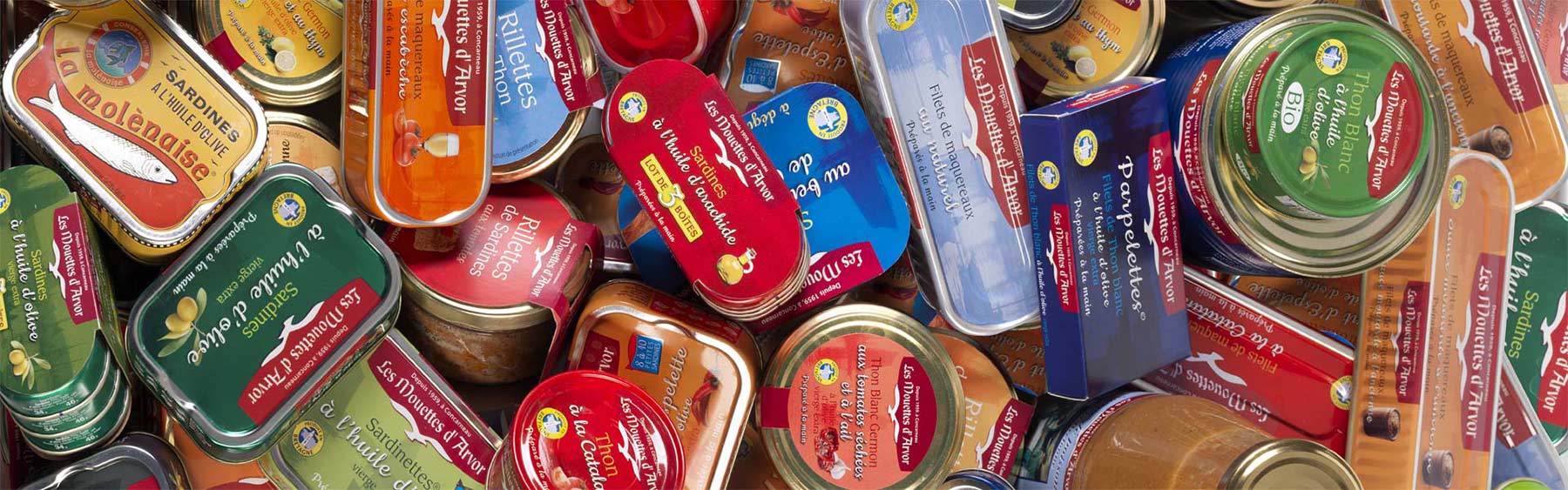
Thanks to Les Mouettes d’Arvor, a cannery on the Brittany coast of France, we can enjoy high quality, seasonably harvested, shelf stable seafood with a distinct French flair. The use of ingredients such as butter, Sel de Geurande, composed sauces, and Muscadet wine with fresh cheese are just some of the examples of traditional French ingredients that go into each hand packed tin. More importantly, Les Mouettes only uses fish from boats docking within five miles of the cannery. Talk about local.

For the last few months, a specific tin of mackerel has been all the talk around Caputo’s and it wasn’t until our tinned seafood class that I had the opportunity to have a taste. I was seated alongside a small group of strangers, when Les Mouettes d’Arvor was introduced. Each of us were served a piece of mackerel fillet topped with a generous dollop of a yellow-beige sauce. It met each of us with its acidic, yet sweet aroma and smooth texture that tickled my senses. The infamous mackerel fillets in Mustard and Crème Fraiche! I watched each of my tablemate’s eyes brighten with overwhelming pleasure and desire for more. The full-flavored, meaty mackerel fillets are a delicious bonus in this tin, adding protein and chew, but I must be honest and say the sauce takes the spotlight with its generous application and bold flavor. The mustard and crème fraiche sauce is completely tantalizing, so make sure to have plenty of bread to soak it all up when the fish is gone.

Butter is another backbone ingredient in much of French cuisine. Serving as a rich base for many sauces and stews, it can also be preserved in a tin with succulent sardines. With that said, there is no shortage of satisfaction to be had in Les Mouettes’ Sardines in Butter and Sel de Geurande. The salt is harvested in a nearby coastal region, and combined with high quality French butter, creating a rich golden pool for these unctuous sardines. Both additions serve to amplify the savory, rich qualities of the fish. When pan fried as suggested on the package (beware of the popping butter), they become crispy and flaky with subtle salinity. I hit the splattering, crispy sardines with a dash of smoked paprika for some depth, and enjoyed them with Torres ham chips, cornichons, and Mahon Reserva cheese as accompaniments. You could also serve them over some mashed potatoes, or toss them with some roasted veggies for a more composed meal. As I sipped on a vodka and sweet vermouth cocktail for an easy pairing, I dreamt of my next meal with the leftover butter and fish…scrambled eggs? Definitely.

Offering a selection of seafood rillettes is yet another way Les Mouettes d’Arvor maintains their distinct French-ness. Similar to confit, rillettes are made from meat that is slow-cooked in a fat, shredded, salted, and packed for preservation. Since the French discovered the practice of preservation, there’s no question they know how to enhance them. I opened a small jar of the Rillettes of Mackerel with Mustard Sauce with no reservations and nibbled at the creamy fish with a fork for purely tasting purposes. Sharing remarkably similar ingredients to that of the Mackerel in Mustard and Crème Fraiche, the rillettes expressed different qualities in both the fish and the sauce. The even dispersion of sauce and fish throughout helps to cut some of the acidity from the mustard, and is less messy with a cohesive, creamy texture. Well suited to spread on toast or dip vegetables in, there’s something slightly foreign, yet tantalizing about spreadable, cooked meat or fish. If you haven’t ever had anything of this sort, try a jar of the tuna and cream cheese rillettes, which are milder, and share similarities to a creamy tuna salad. Coming in small reusable jars, any of the Les Mouettes d’Arvor seafood rillettes could be a new kind of treat you should want to try, with many of them including easy serving suggestions.

Since opening in 1959, Les Mouettes d’Arvor has seen success for obvious reasons. Having survived the collapse of the cannery industry in Concarneau, France at that time, they are the last remaining cannery in the region, holding true to quality, tradition, and innovation in the packing and selling of each seafood product offered. They serve to represent the standards that French culinary practices have historically practiced, and in the most approachable and delicious way. From simple sardines in extra virgin olive oil, to salmon rillettes with lemon and dill, there’s an array of fun and unique options to choose from. Have a taste of the Brittany coast by trying Les Mouette’s d’Arvor seafood and falling in amour.

Patagonia – Fish for Change

by Abigail Sabir on April 21, 2020

As a well-known and widely loved clothing and gear company, it’s both surprising and unexpected to see the Patagonia brand name printed on a box of tinned seafood. How do they connect? Is it the same Patagonia? Those were my thoughts when I first saw these packages on our shelves.  Patagonia Provisions, a recently added division of a B corporation that has been around since the 70’s, has expanded into selling food items, specifically tinned seafood—which we should all be so excited for!

There’s a lot of talk today of the fragile state of our environment. A lot of that fragility comes from a disconnect between humans and our treatment of the earth as we try to provide for the population and simultaneously grow our economies. Patagonia Provisions started as an effort to try and fix our broken chain, as noted by Yvon Chouinard, CEO and founder of Patagonia. He saw the distance that was being put between people and their food, as well as a loss of respect for the earth, the creatures that inhabit it, and the value of knowing where your food comes from. For example, did you know that mussels are actually one of the most sustainable food sources in the world? By eating mussels, we are actually helping more mussels grow, as written by Paul Greenberg on why mussels might save the planet. Patagonia was originally started as an effort to change the world, but the necessity of buying a winter jacket or sturdy piece of clothing comes around only a handful of times throughout adult life. On the other hand, food is something we interact with multiple times a day, so why not affect the same change from another different, but necessary angle?

Patagonia Provisions is a certified B Corporation, gives 1% of all profits back to the planet just as the clothing brand does, and as of 2017, is also part of the Regenerative Organic Alliance, ensuring fairness to farmers and workers, with strict requirements for farming practices. There’s no shortage of transparency in any effort Patagonia makes—especially with their tinned fish. There is an abundance of information on the package alone, as well as even a little picture of what the contents inside of the tin look like and it’s wholly enticing. You can unfold the box and find notes on the nutrition, flavor, sourcing, and the environmental impact of each tin you enjoy.

Now that we have warmed our hearts, let’s fill our bellies and talk taste, shall we?

A while back, during conservas week here at Caputo’s, I was encouraged to try Patagonia’s Smoked Mussels. Despite my reluctance towards smoked foods I found myself quite pleased with the flavor. There are a lot of them packed in the tin, are lightly smoky, and a little sweet. Sourced off the Galician coast of Spain, where mussels are native to the region, these are smoked naturally over Spanish bay wood and packed in organic olive oil and their own broth. Most recently, a friend suggested I revisit them, but warm the tin in the oven for about 15 minutes before eating with a little bread… I enjoyed them this way for a quick, casual lunch and finished with the satisfaction of having a fully prepared meal. The flavors and fatty components were transformed to change the overall experience in the best way possible, both in flavor and texture.

I enjoyed the Savory Sofrito Mussels next. Sofrito is essentially a traditional Spanish sauce made with onion, garlic, peppers and tomatoes; however, there’s a variety of ways it can be made. This mixture includes bell peppers, onion, sherry wine, spinach, and Spanish paprika. The sauce is incredibly savory, and has borderline tomato-y characteristics without any actually added. I tasted them and instantly felt a familiarity in the flavor…I couldn’t quite figure out what it was. I ended up having the mussels, sauce and all, over a little rice with some roasted carrots and onions, and it clicked! The combination of flavors made me reminiscent of a Spanish style Bolognese. This was not your long Sunday afternoon dinner, we’re talking 20-30 minutes, and a $7 tin of mussels, with more protein, Omega 3’s, and vitamin B-12 than any Bolognese you’ll find.

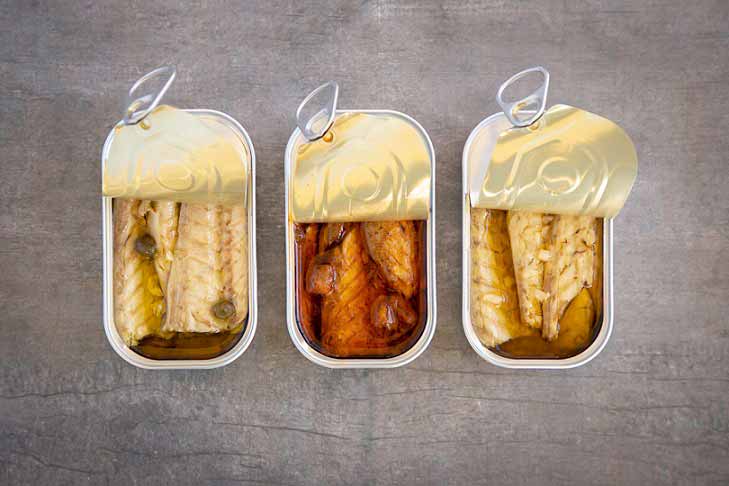
Another tin I found myself favoring was the Spanish Paprika Mackerel. With similarly rich, meaty qualities of other fish such as salmon or tuna, smothered in a vibrant red oily sauce, these mackerel are approachable in flavor and texture. I dreamed of using a tin in the future to make some mackerel cakes…maybe a little egg, breadcrumbs, peppers, onions, and paprika mackerel blended together and pan-fried? Sounds like a perfect party snack to me. However, without the ability to do anything extensive, I ended up using the last half of the tin over a salad. Being such ample fillets, a fish like mackerel needs a bit of a stronger mix of salad ingredients that won’t easily be overpowered. I could recommend some chopped kale that’s been massaged with a creamy dressing as a simple restaurant-worthy salad, however I opted for a mix of romaine and spinach, complimented with some finely chopped carrots, onions, and peppers, topped with a little bit of Dodoni feta, to add an extra bit of tang. I could go on all day about the fun ways to enjoy any tinned seafood, so get creative, eat it alone, or try both!

I know it may seem a bit odd for a company that has been making jackets and gear for so long to expand to food, but what better way to reach people than through our nourishment? Food helps us connect with not only one another but with the planet so let’s be thoughtful about it. You can have confidence in enjoying a tin of Patagonia Provisions tinned seafood knowing it’s sustainably sourced, responsibly produced, and thoroughly delicious. So let’s change the world, one tin at a time.

Deep Dive: Conservas de Cambados

by Abigail Sabir on February 28, 2020

As conservas culture takes the U.S. food scene by storm, tinned seafood is becoming a new pantry staple and popping up on hip bar and restaurant menus in cities around America. This historical practice of preserving food in a can, specifically a variety of fish, bivalves and cephalopods, allows us to dive into another culture’s food traditions, participate in this growing trend, and enjoy seafood sourced directly from estuaries and open seas around the world.

Conservas de Cambados began selecting the finest seafood from the estuaries located near their birthplace in Galicia, one of them being Ria de Arousa, the largest estuary in the northwest region of Spain. The cannery quickly grew, and by 2008, they were exporting small, net-wrapped tins to Europe, the U.S., and other markets around the world. Despite their rapid growth, Conservas De Cambados prides themselves on maintaining pristine culinary traditions that are present in each tin of seafood sold. It has now been 35 years of Conservas de Cambados, and despite their notoriety in conservas culture around the globe, their relatively small facility of 8,200 square feet continues to uphold artisanal standards with sustainability in mind.

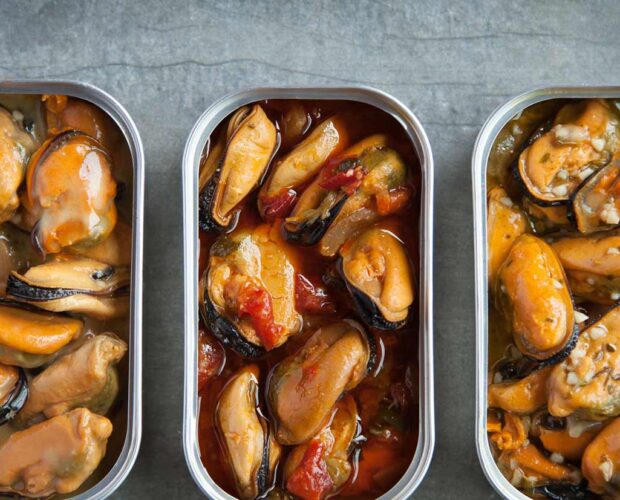
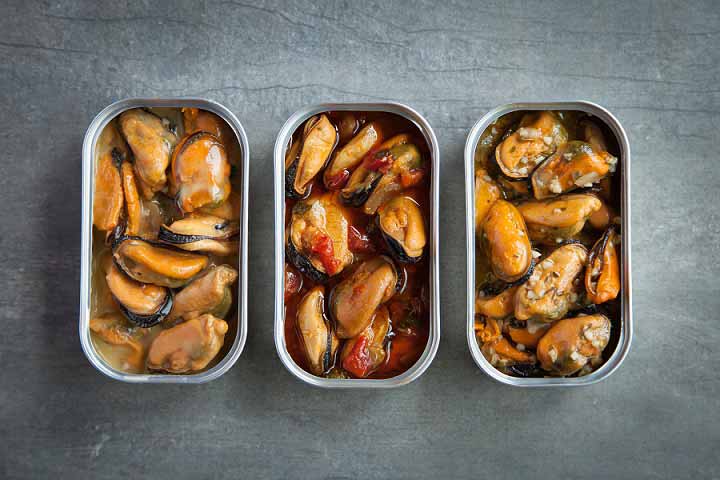
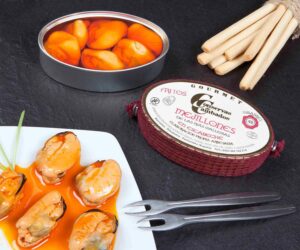
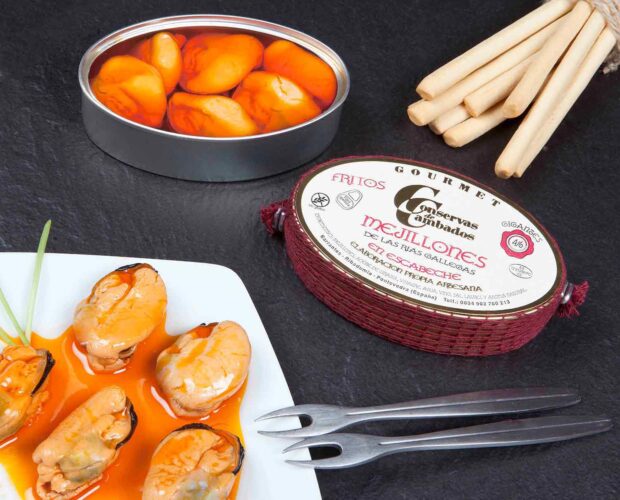
I was immediately enamored by the shiny lettering and trademark net wrapped tins and cracked open their Mussels from Galicia in marinade for a late dinner on a Monday. The king size mussels, describes as such on the packaging, are fried in olive oil and packed in a vibrant reddish orange marinade called Esabeche sauce, made from vinegar and smoked paprika. The mussels were arranged neatly, looking plump and begging to be devoured. There were only 4 in the tin, which speaks to their incredibly large size. That larger size is a very desirable characteristic when eating mussels, clams and other bivalves. Harvested at the peak of size and fat content after fattening up all season in the warm, nutrient dense waters, they are perfectly plumped and ready for the cold season. The texture of the mussels was very tender, so much so they nearly fell apart when speared with a small fork or bitten into. My first bite was a pleasant surprise, not slimy, briny, fishy, or chewy at all; these mussels were straight up decadent. After eating two alone to fully experience what a king size mussel has to offer, my curious palate took over and I turned to my fridge for some adventurous accompaniments. I unearthed some cannellini beans and cornichons, mashed the beans with salt, pepper and olive oil, spread it on a small piece of toast with the cornichons, and perched the last of the mussels atop, with a drizzle of the marinade to tie it together. The creamy richness from the beans and mussels along with the crunch of the toast and cornichons, was a composed and satisfying bite with the smallest amount of additional labor.

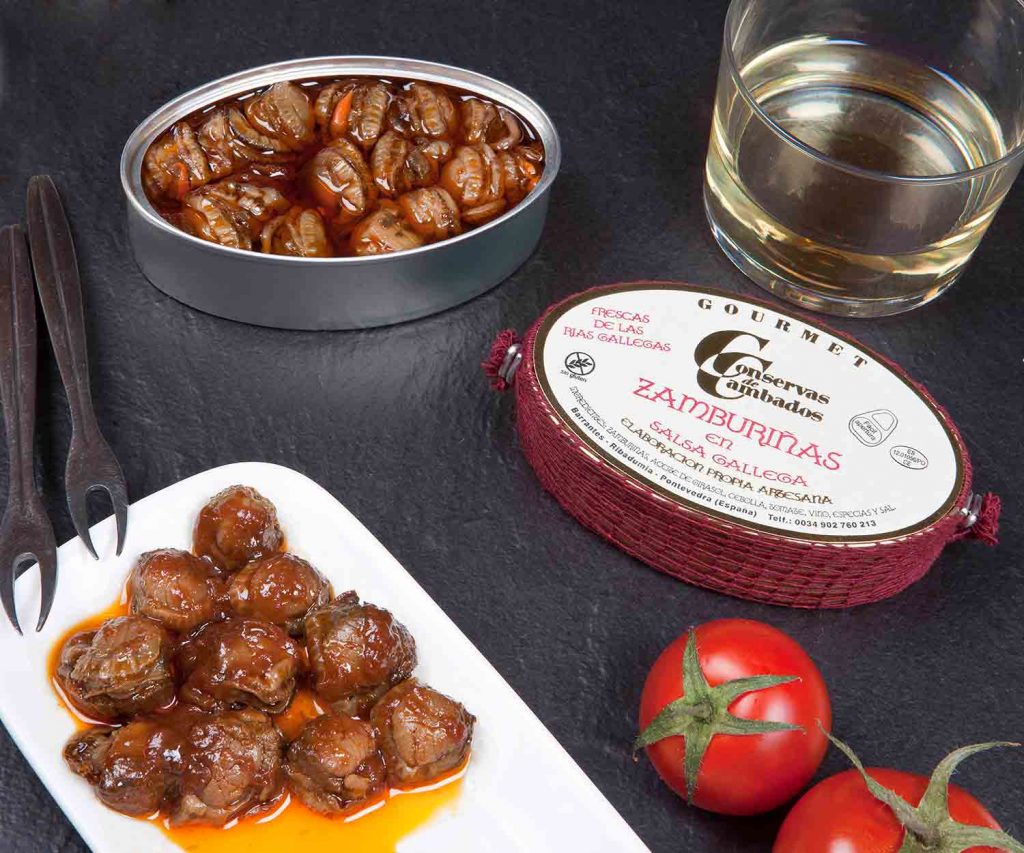
Days later, I dove into their Scallops in Galician sauce and clams in brine. The Scallops, packed in a thick tomato sauce with pieces of onions and herbs throughout, gave a tickle of sweet heat at the back of my throat and were so packed with flavor that I didn’t want anything other than some light crackers to accompany them. The sauciness left at the bottom of the tin made a perfect dressing for a spinach salad with a little chevre crumbled on top as a side dish.

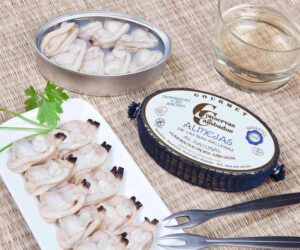
The clams from Galicia in brine, the most simple and delicate of the 3 tins, rose above the other two in the most elegant manner. After the first taste, I felt a cool sea breeze come across my senses, and wanted nothing more than to frolic along the Galician coast. I couldn’t help but devour the whole tin with only a fork and the occasional dash of Espinaler sauce. Packed in translucent milky brine, these clams had the perfect amount of salinity and chew.

There’s a sense of ease and joy when cracking open a can of plump mussels, glistening sardines, or whichever tin speaks to you. These tins have an extensive shelf life, are cooked and seasoned to perfection, and ready to eat straight from the tin. As a company that places a high value on sustainability and upholding tradition, the offerings from Conservas de Cambados are nothing short of excellent.

Older posts
Newer posts

Search products

    Join us on

  • Press
    • National Press
    • Regional Press
    • Awards
  • Locations
    • Store Locations
    • Menus by Location
  • About
    • Culture
    • Privacy Policy
    • Shipping & Returns Policy
    • Tony Caputo Foundation
  • Contact
    • 801.531.8669
    • info@caputos.com
    • wholesale@caputos.com
    • Work With Us
All prices are in USD Copyright © 2021 Tony Caputo's Market & Deli Salt Lake City, Utah.
  • Menu and Catering
    • Location Info & Menus
    • Catering
    • Hosted Events
  • Shop
    • FREE SHIPPING OVER $75 (U.S.)
    • Gifting with Caputo’s
    • Client Gifting (Concierge)
    • Craft Chocolate (free shipping)
      • Caputo’s Chocolate
      • Dark Chocolate
      • Milk Chocolate
      • White Chocolate
      • Inclusion Chocolate
      • Baking Chocolate
      • Drinking Chocolate
      • Filled Chocolates
      • Chocolate Spreads
      • Utah Chocolate Producers
      • Chocolate Gifts
      • Shop by Brand & More
    • Tinned Fish (free shipping)
      • ABC+
      • Arroyabe
      • Artesanos Alalunga
      • Ati Manel
      • Barnacle Foods
      • Conservas de Cambados
      • Ekone Oyster Co.
      • Espinaler
      • FANGST
      • Güeyu Mar
      • IASA
      • José Gourmet
      • Les Mouettes d’Arvor
      • María Organic Portuguese Conservas
      • Matiz Gallego
      • Nassari
      • Nice Cans
      • Olasagasti
      • Ortiz
      • Patagonia Provisions
      • Ramón Peña
      • Wildfish
      • Shop by Type & More
    • Bitters & Botanicals (free shipping)
      • Bitters
      • Garnishes
      • Mixers
      • Shrubs & Drinking Vinegars
      • Syrups & Waters
      • Tinctures & Extracts
      • Shop by Brand & More
    • Cheese & Dairy
      • Caputo’s Cheese Caves
      • Butter & Other Dairy
      • Cow’s Milk Cheese
      • Goat’s Milk Cheese
      • Sheep’s Milk Cheese
      • Mixed Milk Cheese
      • Pasteurized
      • Unpasteurized
      • Domestic
      • French
      • Greek
      • Italian
      • Northern European
      • Spanish
    • Meats
      • Pates and Meat Spreads
      • Prosciutto
      • Salami
      • Sausage
      • Whole Muscle
    • Oil & Vinegar
      • Oils
      • Vinegars
    • Savory Pantry
      • Canned & Bottled Goods
      • Coffee & Tea
      • Crackers & Flatbreads
      • Hot Sauce
      • Legumes
      • Pasta
      • Rice and Grains
      • Nuts
      • Olives
      • Peppers, Preserved
      • Salt & Spices
      • Sauces
      • Spreads & Tapenades
      • Tomatoes
    • Sweet Pantry
      • Caramel
      • Confections
      • Granola
      • Honey
      • Mastic
      • Mostarda
      • Preserves
      • Sweet Nuts
      • Torrone and Nougat
    • Truffles & Mushrooms
    • Deals & Discounts
  • Classes
  • Blog
  • Culture
    • About Caputo’s
    • Caputo’s Preservation Program
    • Chocolate Festival & HCP
    • Tony Caputo Foundation

HelpScout Beacon to Caputos Online Customer Service

This is content inside the jQuery UI modal dialog.

It's automatically draggable, resizable, and has an overlay.

You can add forms, images, or any other HTML here.