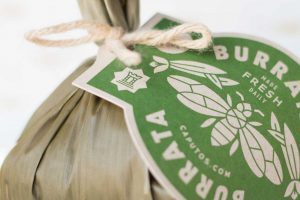
 We’ve been making our own burrata for a few years now. Lots of things have changed around here, but one question has the same response since the very first time we were asked:
Question: ‘What should I make with burrata?’
Answer: ‘Nothing.’
Insert puzzled looks here
Reattempted Answer: ‘We usually just eat it with a spoon.’
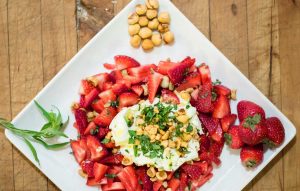 There’s something about burrata that begs for sweet simplicity. Really, all you need is a small bowl, a spoon, and Netflix. We do, however, sometimes get the itch to create a more grand presentation or burrata-based treat. There are, of course, many time-consuming, delicious, and decadent things to be made with this cheese, but our very favorite preparations require less than ten minutes’ work and fewer than five other ingredients. That creamy, delicate flavor deserves to shine. The best way to do that is to find two or three other components that will graciously support burrata as the darling of the plate, the shining star on your palate.
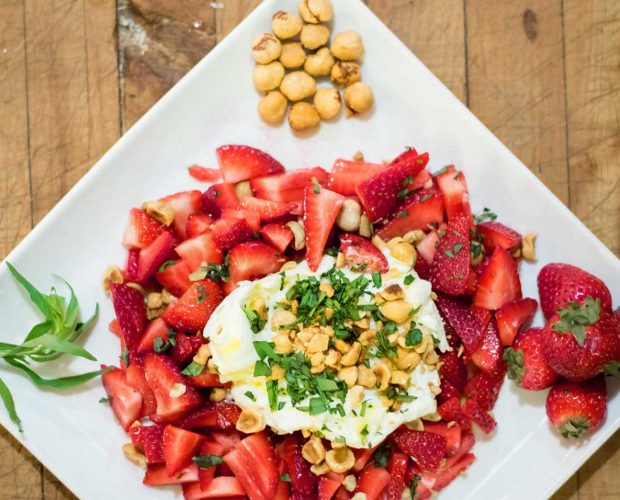
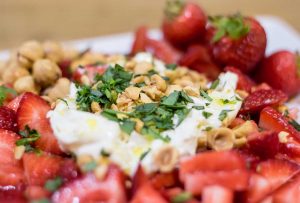 When I’m putting together such a plate, I look for ingredients that will add texture, aroma, and brightness in color and flavor. On the simplest of days, this can be achieved with a great baguette, a super green, fruity condiment olive oil (e.g. Viola oils), and a finishing salt (e.g. fleur de sel/fior di sale). But, for a plate to impress your pals, try something like this strawberry, burrata, and hazelnut situation.
The Breakdown: This is more of a suggestion than an actual recipe. Swap various fruits, nuts, and base layers. Maybe you’ll want this on a bed of greens, or built atop crostini. Take the reins, and build to your heart’s desire.
The centerpiece is–you guessed it–burrata. Freshly chopped strawberries will add nice acidity and lovely color. A sprinkling of lightly chopped tarragon adds aroma and depth to each bite. Barroero Toasted & Salted Hazelnuts are the texture and salty component needed to round out the finished plate.  Need a little something more? Aged balsamic can amp up sweetness OR condiment olive oil can contribute to that unctuous, burrata texture and also introduce some well appreciated bitterness to counterbalance the sweetness from the strawberries. I wouldn’t add both oil and balsamic together, but you are the boss of your own plate. Go forth, my dear eaters! Enjoy the beauty of simplicity, revel in your ability not to complicate life and plate, and reap the benefits of freshly made burrata.
Enjoy, friends. Eat well and eat happily.
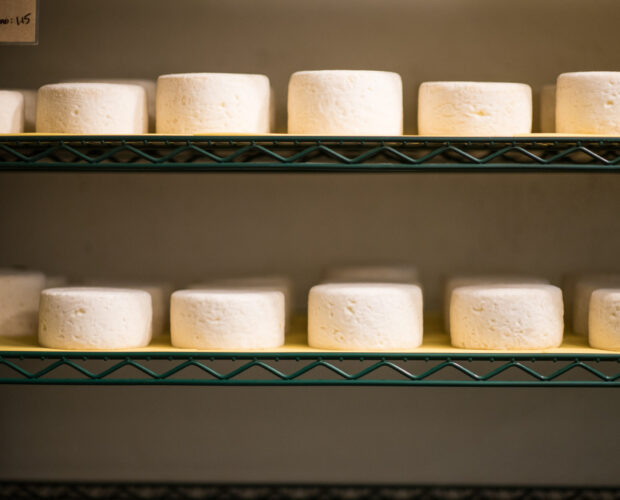
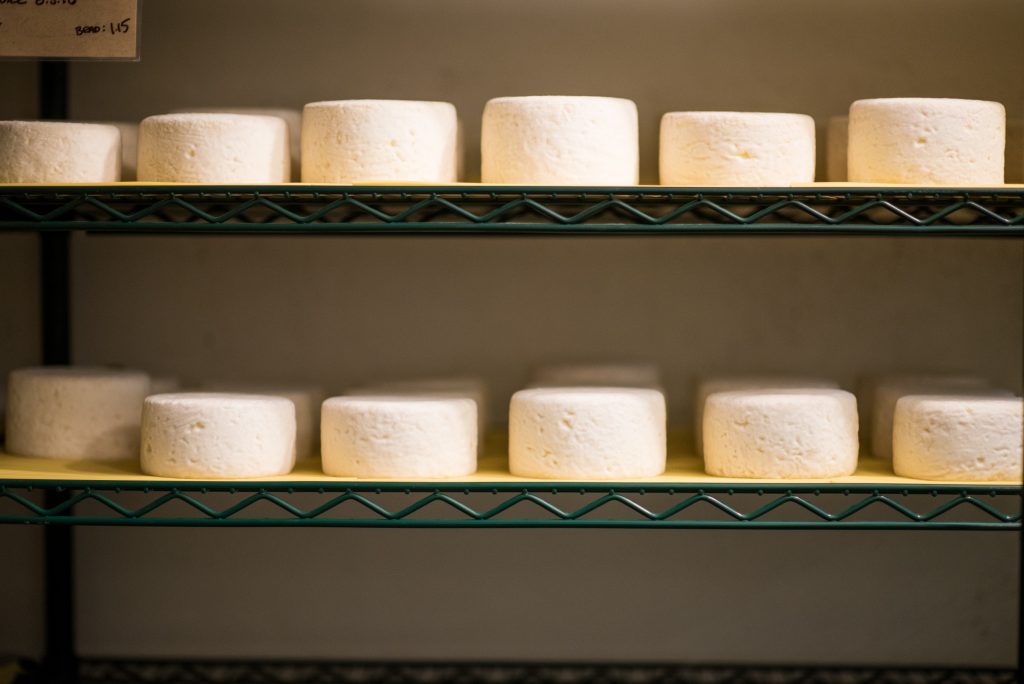 In the coming days, Mesa Tome was released into the hands of many devoted chefs, cheese geeks, and new cheese friends. Each batch changed in flavor based on what was growing near Randy’s farm and being able to experience that has been so special. I’d seen where the goats would graze freely, where they were milked, and where Randy deftly created each wheel of cheese. Now, weeks later, seeing, cutting into, and tasting each batch felt ceremonial.
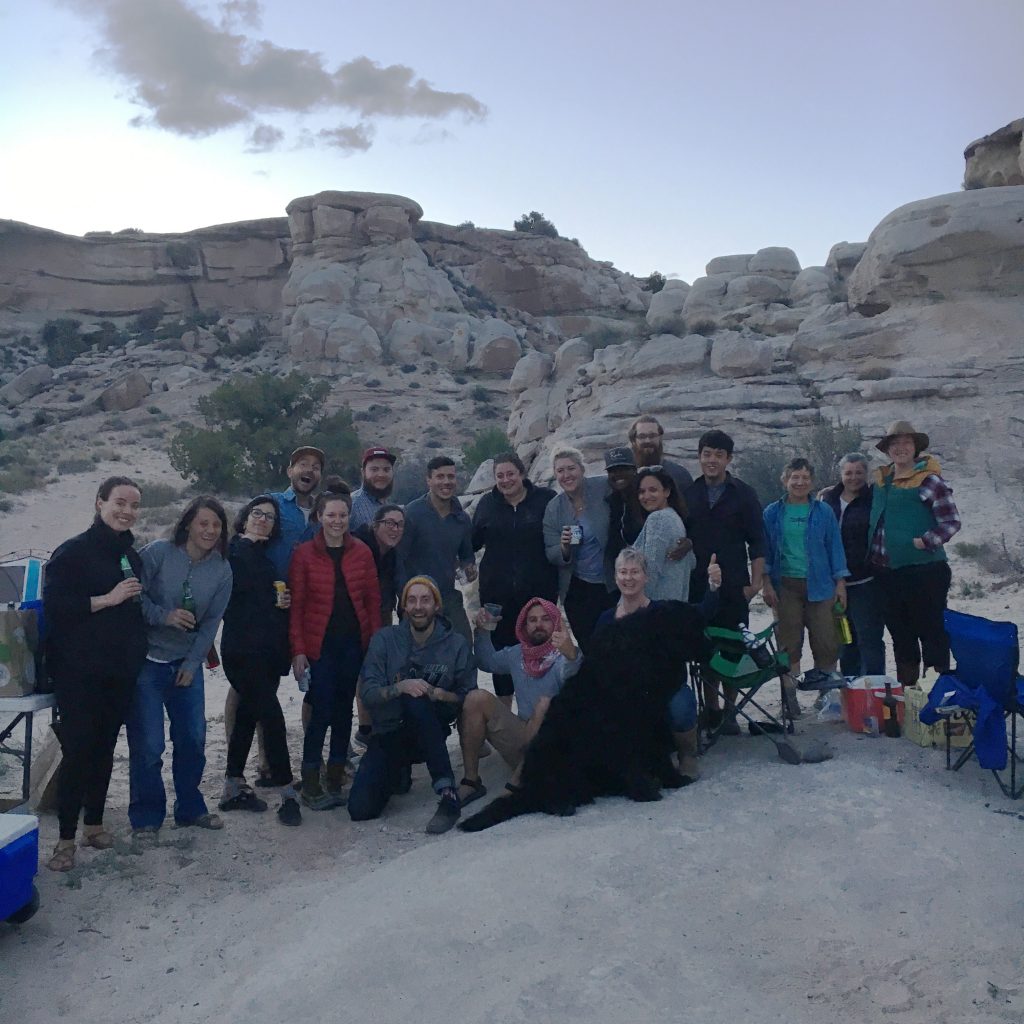
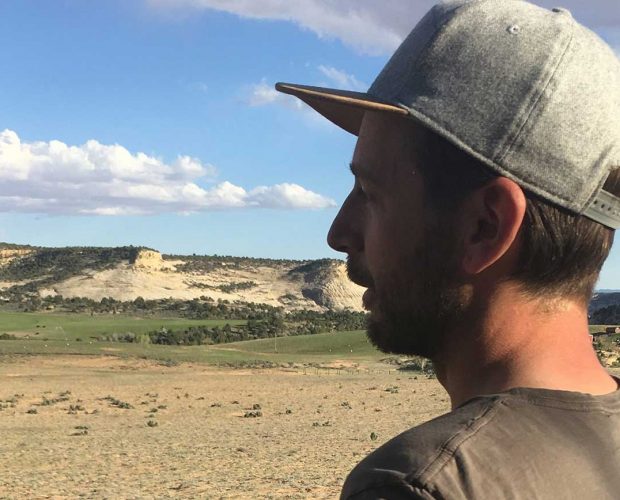
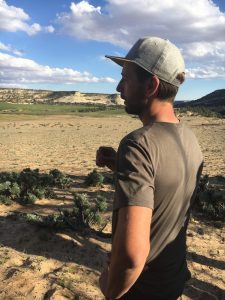 Evan led us out of Hell’s Backbone Farm, across another plot of land, over a fence, up a hill, and then into the sunshine atop an Eastward(ish) facing hill. We Goat Campers gathered as close as the warm afternoon sun would allow us to hear Evan’s story of how he came to arrive on this hill and what lies ahead for him. As we listened, the sun dipped further behind us and extended a welcome shadow over the now un-planted land. Soon though, this will change.
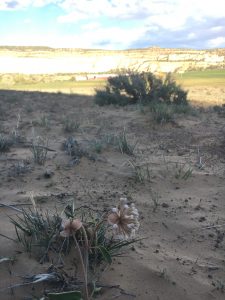 Five years and six wines after the first release of Mahlon, I was standing behind Evan on that hill in Boulder. Since the inception of Ruth Lewandowski, the goal has always been to make wine in Utah from Utah grown fruit. Wine is not the kind of industry that is kind to newborn labels and makers. The means required to achieve such a lofty goal take many years (five-ish) and an unfathomable amount of work. But, Boulder is a place where dreams come true and hard work is rewarded with a bounty of support and serendipitous circumstances. On that hill, not a mile from our Hell’s Backbone farm, a dream became destined to become truth and reality. Vines will be planted on that hill in the coming years and our little group had the very humble honor of being the first people to see it with Evan. Ruth Lewandowski will make a home in Boulder, Utah alongside the ladies of Hell’s Backbone legend and all the other kind inhabitants of this beloved town.
 Though we are but a small market for wine compared to the booming cities along the East and West coasts, there is a seat at the table for every producer, especially a local one. New perspectives often challenge what we once knew as ‘good’ and ‘right’. This is no different. Yes, there is more than one way to make wine taste good. Yes, winemakers can choose whether or not to add yeasts and other ingredients to wine. No, one way is not more right than the other. Yes, we can enjoy wines made both ways. And you know what’s great about that? We can disagree and have have fond affections for different wine, and I will still respect you (yes, you), your palette, and your right to drink whichever wine makes you happiest. Each wine has its own story, from the people behind the bottle to the work that’s gone into it all the way to us, the consumer. The beautiful thing about it all is that each of us affects the other, which is always something for the consumer to consider; what we purchase affects both our local and national wine industry and this power is, perhaps, just as impactful as anyone else involved. I will simply ask that you consider the people behind the bottle, the work that’s gone into it, and how your purchasing power affects both our local and national wine industry.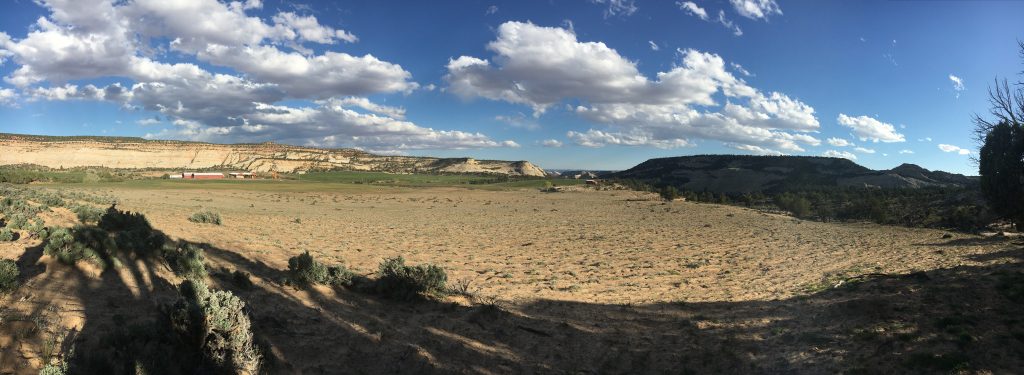
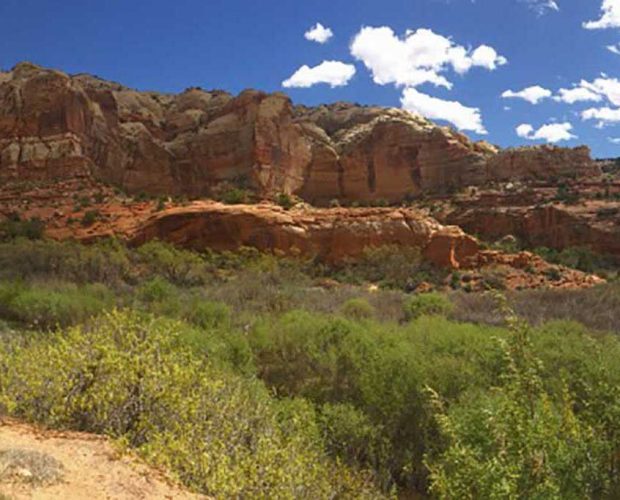
 Our group departed along different roads: one through the heart of Capitol Reef National Monument, the other along Notom Road filled with winding backroads and breathtaking beauty. When just the 60 mile journey is enough to impart wonder and appreciation for our little state, we’re living in the right place. We reconvened at Hell’s Backbone Farm for a tour and discussion on sustainability in the restaurant, on the farm, and the implications for the surrounding area. Blake led us through the 6.5 acres of farmland while sharing the history of all things Hell’s Backbone, past and current challenges, and its bright future. Blake’s peace and joy were infectious, the staff was the same. I’d always known farming was not as easy a planting a seed and only returning to harvest, but this became more clear while hearing about both the challenges and small victories they face daily. Though these challenges are certainly not without success. I mean, they harvested over 18,000 pounds of produce in the 2014 season. More astounding than the weight of harvest is that they used all 18,000 pounds at their restaurant. Sustainability is often a fluid, sometimes abused, term in our industry. The Hell’s Backbone team is the most true and honest example of what it means to live and work sustainably. All food waste from the restaurant is composted and fed back to the farm, any excess produce is preserved for the winter season, and anything beyond that even get turned over to feed their flock of chickens. After discussing the idiosyncrasies of growing asparagus, we were feasting upon it at the grill not four hours later as part of a meal that left us all with full heart and bellies.
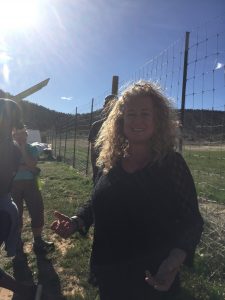 We took a walk to another future farm after visiting the Hell’s Backbone Farm (more on that later), and regrouped for dinner at the Grill. The restaurant team was in the middle of launching a new cocktail program during our visit. Convenient, right? We spent happy hour on the patio of the restaurant reflecting on our visit, sharing ideas for new recipes, planning our next visit back, or maybe just never leaving. The cocktails were balanced and delicious and the perfect way to begin our experience at the restaurant. What came next was transcendent. I’m quite positive there has never been a more satisfying meal ever served in all of Southern Utah. Salads and vegetables and soups and proteins arrived in waves. I still get teary eyed at the thought of the sunchoke soup, but each dish was as good as that. Well seasoned, perfectly cooked, made with love.
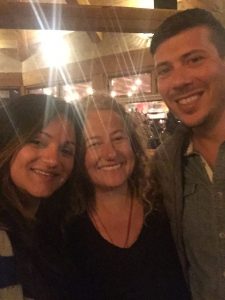 Blake and Jen are shining examples of what happens when love and kindness intersect with food. Quality is a natural priority because honoring the integrity of land and animal existed from the very beginning. Everything at Hell’s Backbone feels warm and inviting, it tastes delicious and comforting, and it left us inspired and full.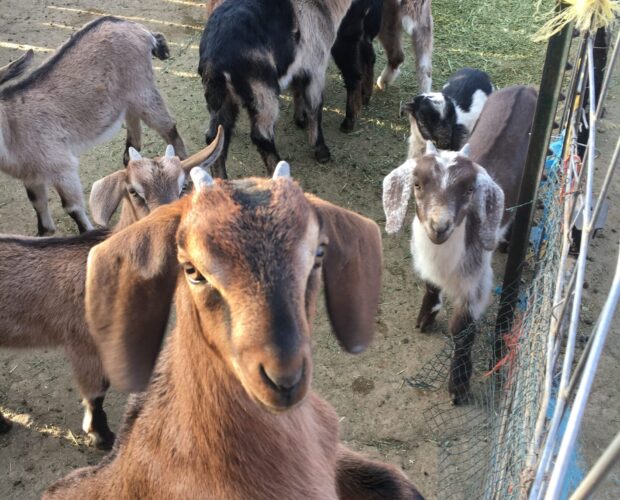
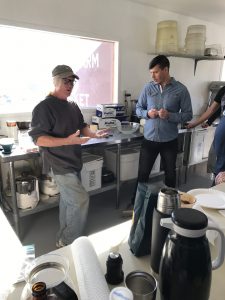
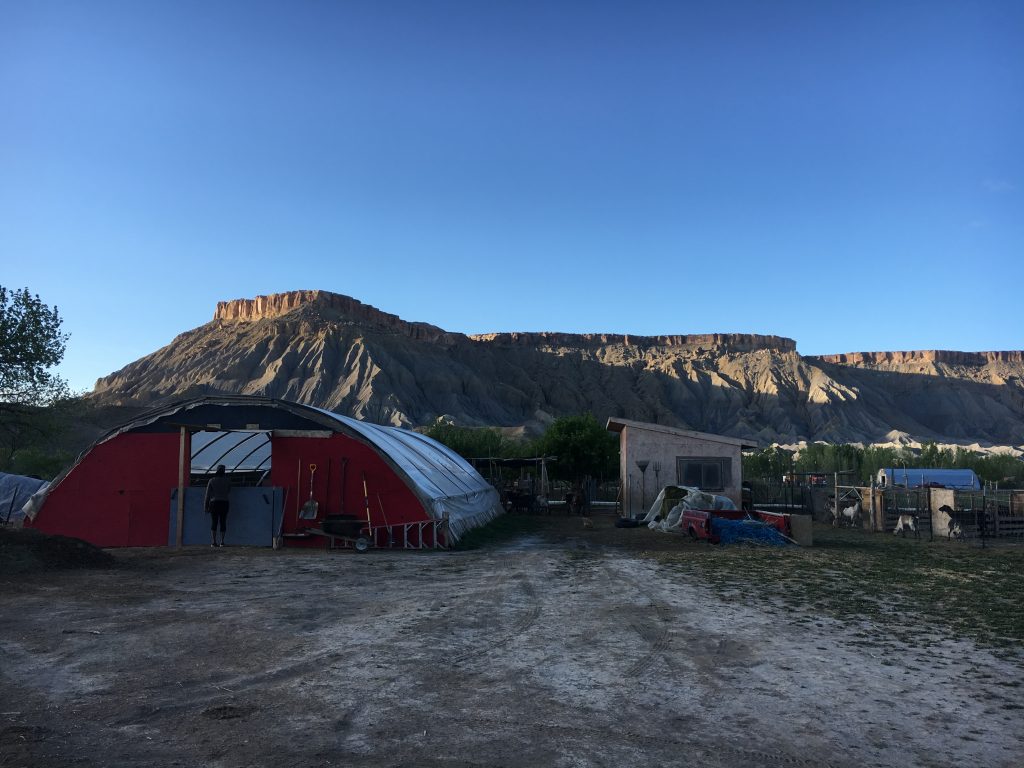 In a humble farm market store, over nibbles of Randy’s cheeses and fresh coffee, I, and many others, rediscovered why we do what we do. Matt has always said it best – we don’t work in specialty food because we want to be millionaires; we do it because we have a love for food, with its cultural and historical implications, and we have to protect that. Randy’s cheeses are as excellent as they are because Randy is committed to creating them from the very best beginnings. His herd – which is now at 38 lovely little goat ladies- graze freely on the banks of the Fremont river. During the winter, their diets are supplemented with a much higher quality feed than industry standard; in fact, it’s organically grown specifically for Randy’s herd by his neighbors. That doesn’t come cheap. Even more surprising than their feeding practices was learning that Randy only milks during the natural cycle. As winter comes and the babes begin grazing themselves, Randy does not give the goats any kind of hormone to lengthen the milking. When they dry up, he closes up shop until the next spring. This is so uncommon and nearly unheard of in modern day cheese production, even for most artisan cheese production.
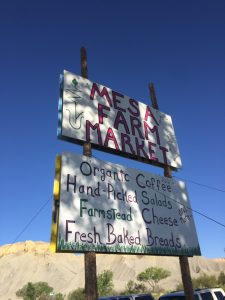 Since Randy doesn’t cut corners (or costs): we receive the kind of quality cheeses people write poems and love stories about. Whether it’s one of our cave-aged cheeses, chevre, or feta, the taste is unlike any other cheeses we carry. There’s true Utah terroir buried deep within the paste of each cheese because that’s where it came from. From the natural grasses and plants nourished by the Fremont river to the buckets of milk separated into curds and whey, something truly magical happens. Add expert cave aging to the mix from the loving, deft hands of our own affineuse, Antonia Horne, and suddenly, it’s like nothing else matters and no cheese ever existed before this one.
 With all this beautiful imagery and romanticism, I almost forgot Randy was facing closure of his farm before our partnership. It wasn’t until Caputo’s and our customers began purchasing and raving about the cheeses that things started looking up. This year,
 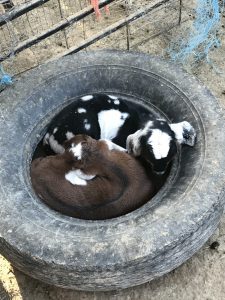 Heartbreak aside, hope exists. Hope exists at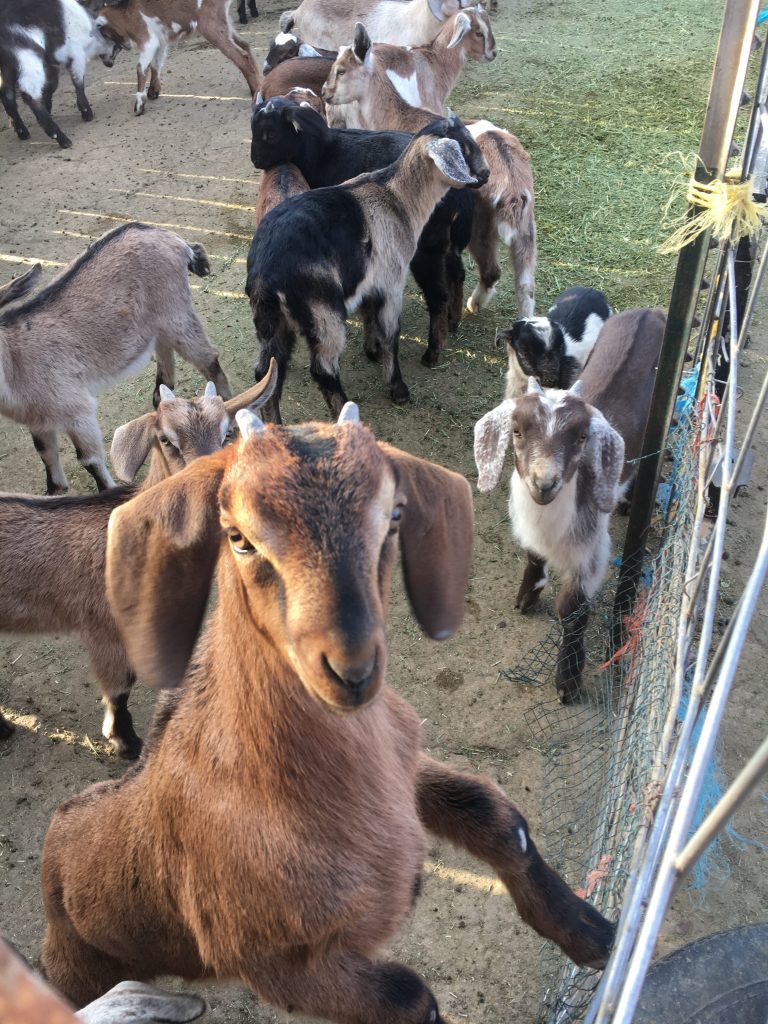
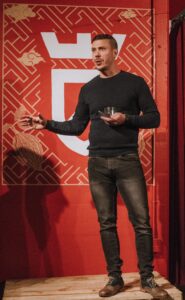

 This guy, he knows how to stir, shake, and garnish accordingly. I bet he’s got the home bar to back it up, too.
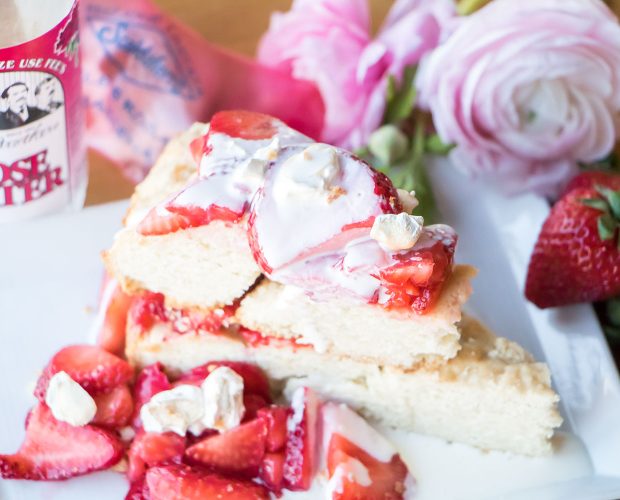
 The one downfall of a classic strawberry shortcake has always been texture and complexity. While there is something truly lovely about the soft, pillowy shortcake and sweetened strawberries, we (and Mom) deserve more. More crunch, more flavor, more fun.
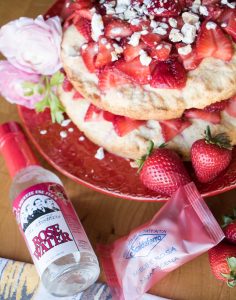 Here, you’ll find a recipe based on James Beard’s beloved approach that uses no sweetened whipped cream, only fresh cream poured atop your cake just before serving. Make your cakes and macerate your berries the day before you Mother’s Day brunch for an effortless and gorgeous treat to end your meal.
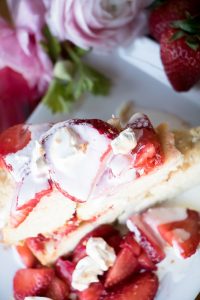 Rosewater Strawberry Shortcake
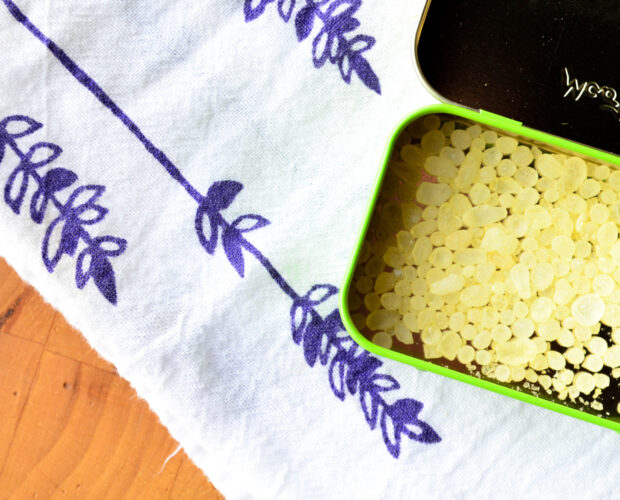
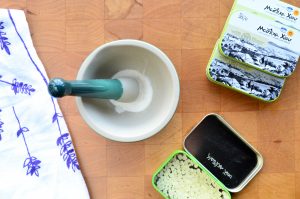
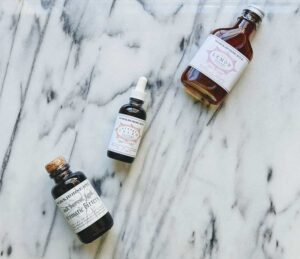
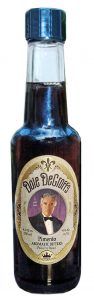 If you’ve enjoyed a cocktail lately, there’s a good chance Dale Degroff had a hand in restoring it’s popularity. The art of the craft cocktail has slowly been revived since its near extinction from the time of Prohibition. During his time at the Rainbow Room at Rockefeller Center, Mr. Degroff helped to restore the respected position of bar-tending while also helping to resurrect America’s appreciation for the classic, balanced cocktails of decades past. After countless mixology awards, two published books, and a decade later, we can now bring a piece of Dale Degroff home with us by way of his own handcrafted bitters.